
e othre is more localized and favors saltier environments.
American alligator (Alligator mississippiensis)

The American alligator is the larger of the two species, with males reaching up to 14 feet in length and weighing over 1,000 pounds. Females are smaller, typically around 9 feet long.
Alligators have a wide distribution throughout Florida and can be found in almost every county.They prefer freshwater habitats such as swamps, marshes, rivers, ponds, and lakes.
These reptiles are opportunistic feeders and will eat just about anything they can catch including fish, turtles, birds, mammals and even other alligators. They are most active at night but can also be seen during the day basking in the sun or swimming through their territory.
American Crocodile (Crocodylus acutus)

The American crocodile is slightly smaller than the alligator with males reaching up to 13 feet in length while females average around 10 feet long. They have a more limited range compared to alligators as they prefer brackish or saltwater habitats such as mangrove swamps, coastal lagoons, tidal creeks and estuaries.
These crocodiles are more aggressive than alligators and have been known to attack humans. However, attacks are rare and usually occur when the crocodile feels threatened or is protecting its nest.
They primarily feed on fish, but will also eat small mammals, birds, and crustaceans.They are most active at night but can also be seen during the day basking in the sun or swimming through their territory.
Classification and Relatives

Alligators and crocodiles belong to the order Crocodilia which includes other large reptiles such as caimans, gharials, and alligator snapping turtles. Within this order,there are three families: alligatoridae (alligators),Crocodylidae (crocodiles),and Gavialidae (gharials).
The American alligator belongs to the family Alligatoridae along with three other species: Chinese alligator (Alligator sinensis), Spectacled caiman (Caiman crocodilus) and Cuvier’s dwarf caiman (Paleosuchus palpebrosus).
The American crocodile belongs to the family Crocodylidae along with 13 other species including saltwater crocodiles (Crocodylus porosus) found in Australia.
Distinguishing Between American Alligators And American Crocodiles in florida
If you’re trying to differentiate between an American alligator and an American crocodile in Florida, there are a few key factors to consider.These include the shape of their snouts, their coloration, and where they can typically be found. Alligators tend to have broader, U-shaped snouts and prefer freshwater habitats, while crocodiles have narrower, V-shaped snouts and favor saltier environments.
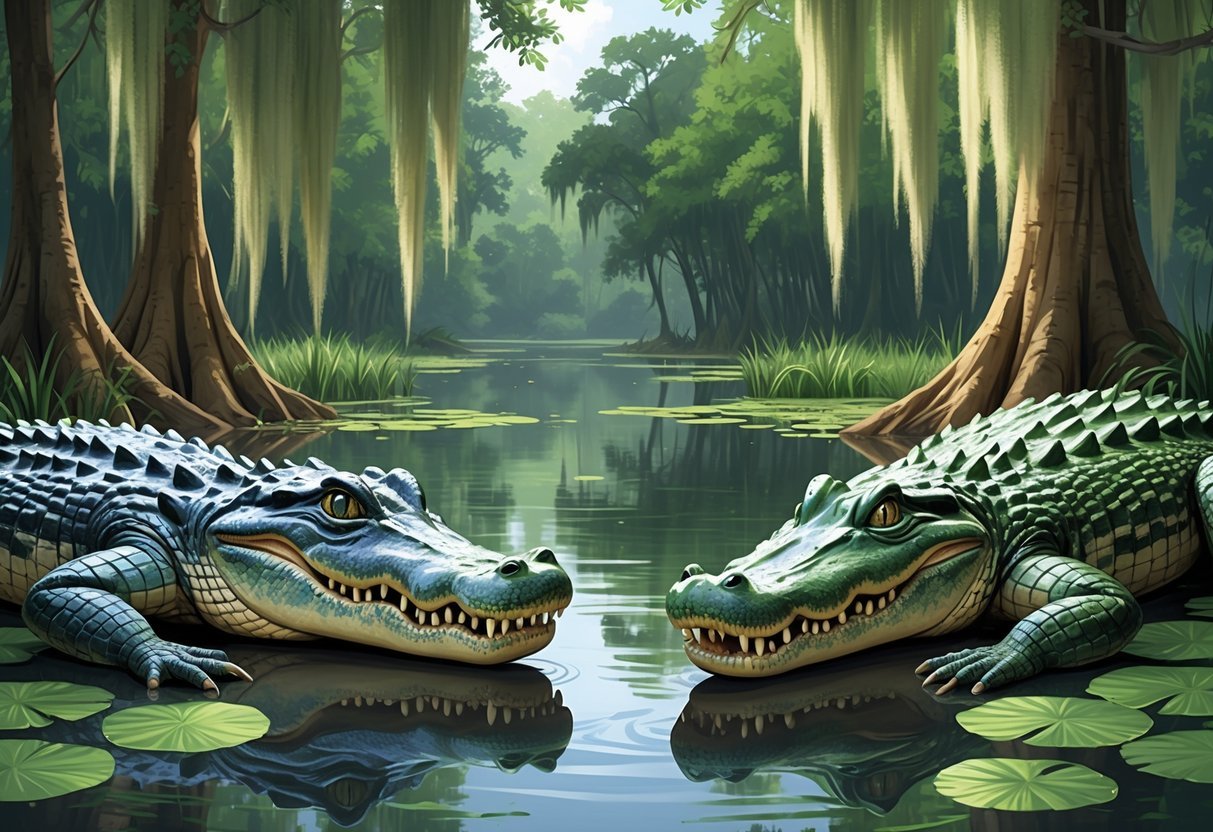
it’s also significant to note that these two species have distinct behaviors and temperaments. Crocodiles are generally more aggressive than alligators and tend to occupy coastal or brackish zones. On the other hand, American alligators usually stick to lakes, swamps, and rivers and exhibit different risk patterns around humans.
In this article we will provide detailed profiles of both species as well as details on their classification within the order Crocodilia. we will also discuss how you can safely coexist with these reptiles by understanding their behavior patterns.
Fundamental Differences Between Alligators And crocodiles
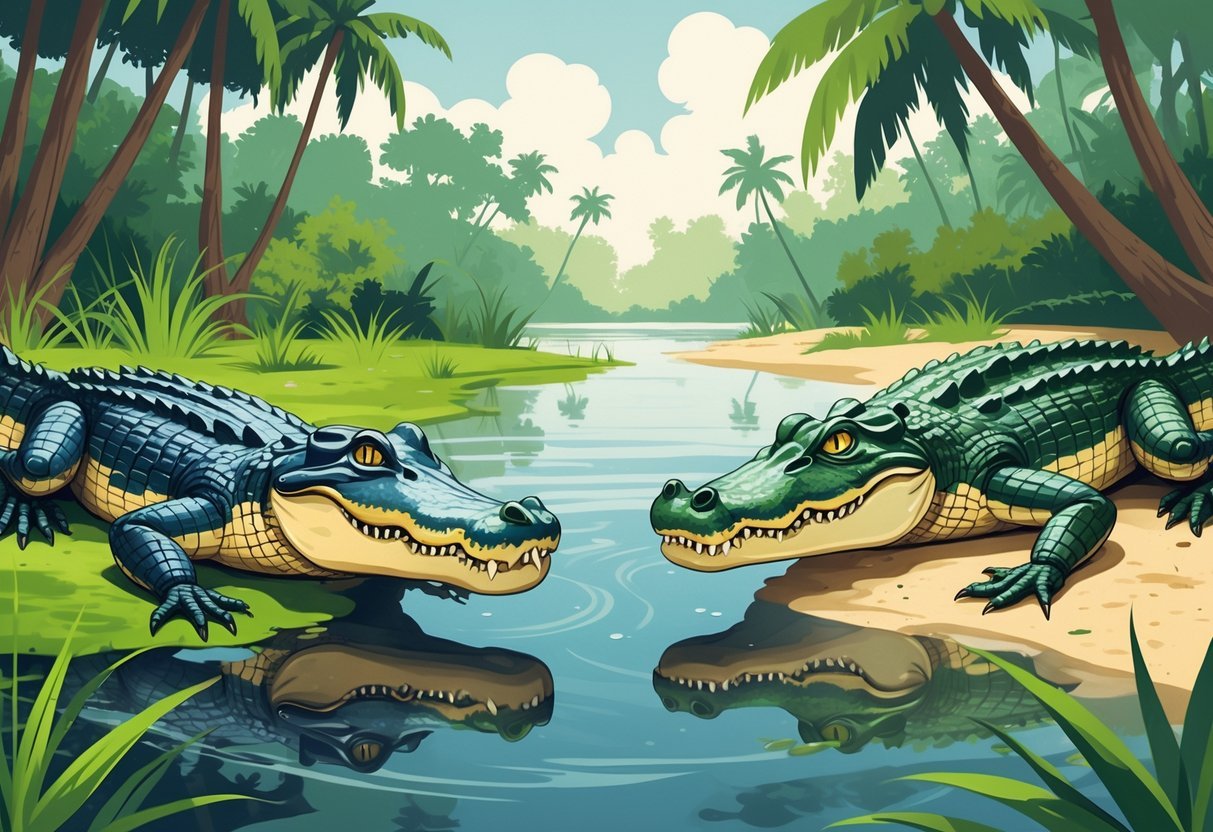
The most obvious way to distinguish between an American alligator (Alligator mississippiensis)and an American crocodile (Crocodylus acutus) is by looking at their snout shape, teeth visibility, and overall size and body proportions. These physical characteristics are directly linked to their feeding style, habitat preferences, and typical behavior in Florida waters.
Snout Shape: U-shaped vs V-shaped
Alligators in Florida have broad, U-shaped snouts that are rounded at the tip. This shape allows for a concentrated bite force at the front of the jaw, making it easier for them to crush hard-shelled prey such as turtles.
Their wide snouts also give them a blockier appearance when viewed from above and do not narrow as much towards the tip. On the other hand, crocodiles have narrower, V-shaped snouts that taper to a point. This streamlined profile helps them with rapid lateral snapping when catching fish or other quick-moving prey.
When comparing an alligator and a crocodile side by side, you will notice that the crocodile’s snout looks distinctly more wedge-like and streamlined compared to the alligator’s broader one.
Teeth Visibility And Jaw Structure
Another way to tell these two species apart is by looking at their teeth visibility when their mouths are closed.In an alligator’s mouth, most of its lower teeth remain hidden as its upper jaw is wider than its lower jaw. This results in a smoother jawline with fewer lower teeth protruding.
Crocodiles have visible lower teeth even when their mouths are shut because their fourth lower tooth fits into a notch in their upper jaw. This creates a “toothy” appearance even with their mouth closed. additionally,crocodiles have nearly equal width between their upper and lower jaws which increases bite alignment and allows for powerful puncturing bites.
The difference in jaw structure between these two species influences what they can eat and how they assess risk when encountering humans. Alligators have broader jaws that favor crushing force, while crocodiles have a more aligned jaw structure and tooth exposure that allows for a slicing and gripping action.
Body Size And Physical Appearance
Crocodiles are generally larger than alligators, with males reaching up to 13 feet in length while females average around 10 feet.In comparison, male alligators can grow up to 14 feet in length and weigh over 1,000 pounds. However, there is some regional overlap in size between the two species.
In terms of physical appearance, American crocodiles tend to be slimmer with lighter coloration (olive or tan) compared to the darker coloration (often nearly black) of American alligators found in murky freshwater habitats. alligators also have stockier builds with shorter and wider bodies as well as webbed hind feet suited for slow-moving freshwater environments. Crocodiles have a more V-shaped body with visible bony ridges on their snout and neck.
It’s critically important to note that both species can appear imposing due to their large size. However, crocodiles may reach greater maximum lengths which correspondingly results in higher recorded bite forces.
When observing either species, it’s crucial to maintain a safe distance and follow wildlife guidelines for your own safety as well as the well-being of these reptiles.
Habitats And Geographic Distribution In Florida
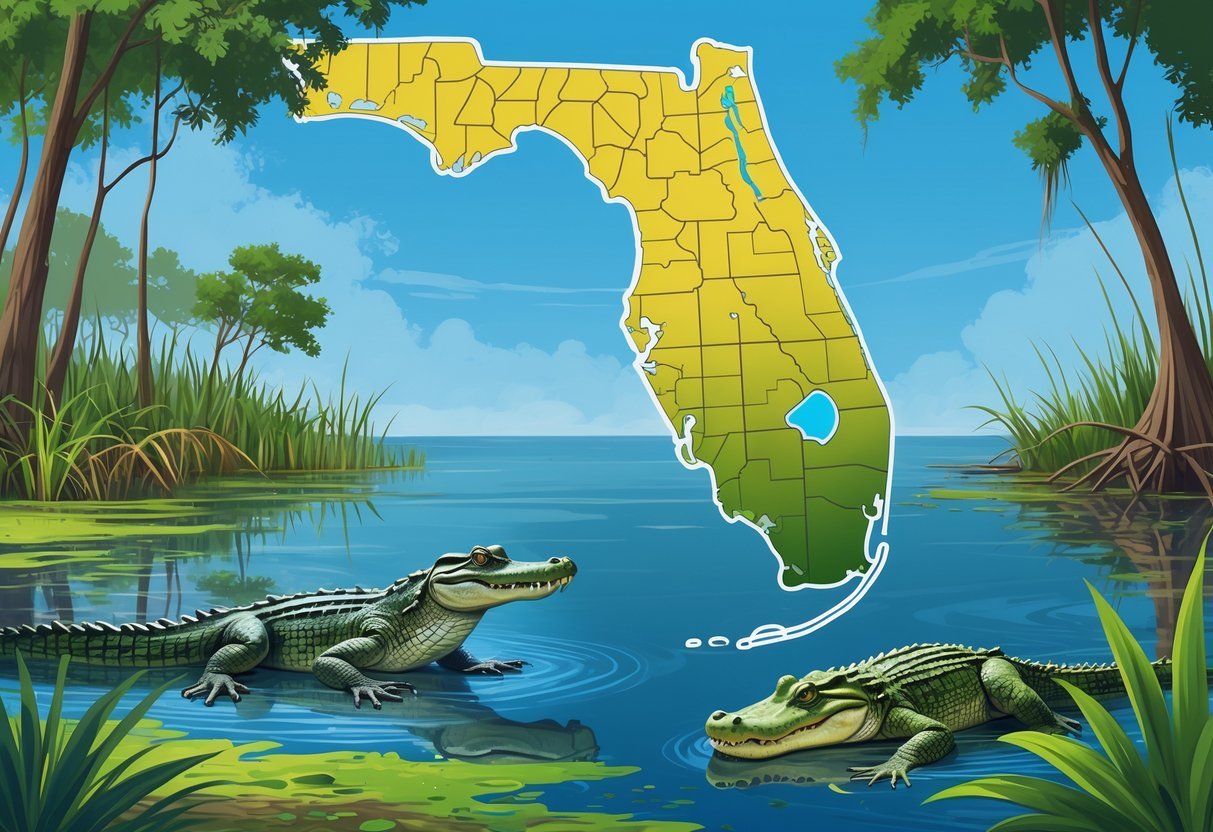
Both American alligators and American crocodiles can be found in Florida, but their usual habitats and geographic ranges differ. The most significant overlap between the two species occurs in South Florida, while their preference for freshwater, brackish, or saltwater environments determines where they are typically found.
Overlapping Ranges In South Florida
In South Florida, you can find both alligators and cro


This article was really informative! I always mix up alligators and crocodiles so this was very helpful. Thanks!