Rewrite the article title from below to make it match the article: The Essential Guide to When Snakes Are Most Active in Florida

Related Articles

Outdoor Activities in Florida: When adn Where to Encounter Snakes
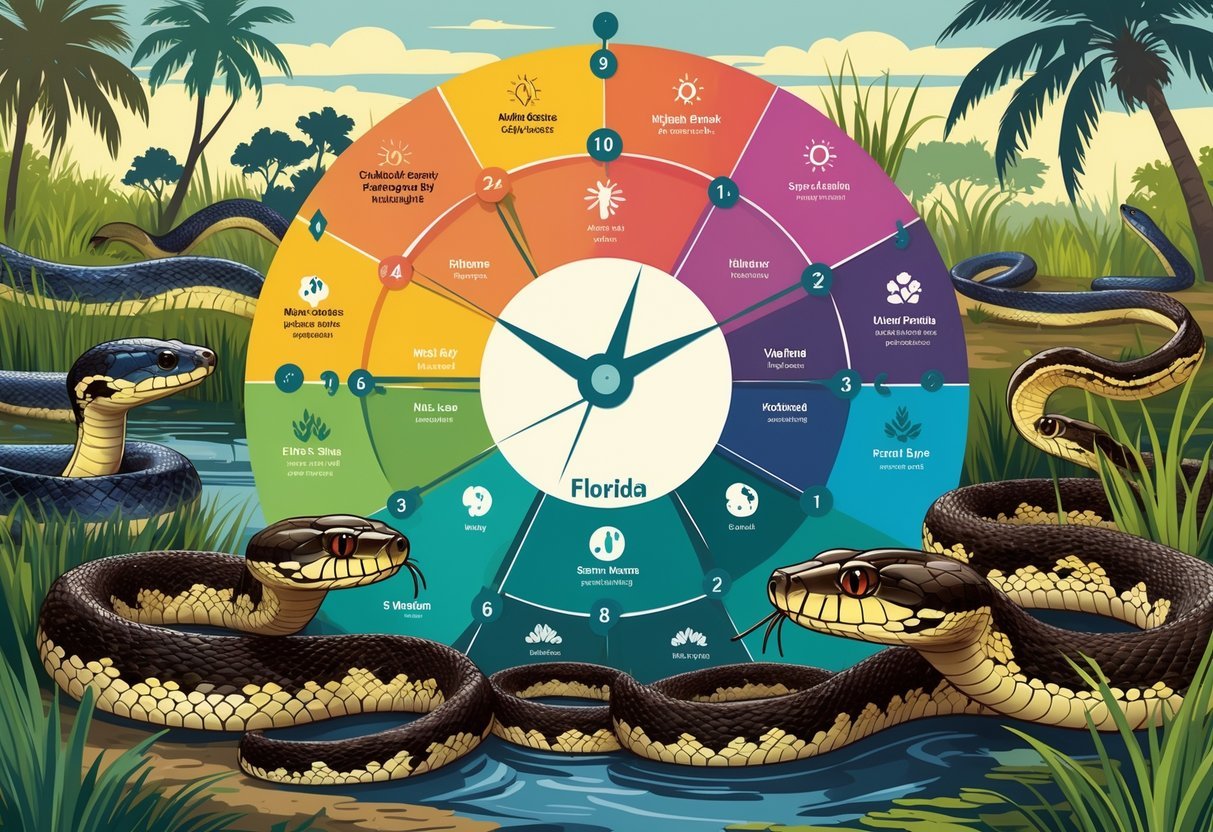
Illustration showing various Florida snakes active around a seasonal chart representing their peak activity periods throughout the year, set against natural Florida habitats.

Florida is home to a diverse array of snake species, wiht over 50 different types found throughout the state. While many people may have a fear or aversion towards snakes,they play an meaningful role in our ecosystem and are captivating creatures to observe in their natural habitat.

If you’re planning outdoor activities in Florida, itS important to be aware of when and where you may encounter snakes. In this article, we’ll discuss the peak activity periods for snakes in florida, what environmental cues trigger their movement, which species are most commonly encountered, and how to stay safe while enjoying outdoor activities during snake season.

peak Activity Periods for Snakes in Florida

Illustration showing various Florida snakes active around a seasonal chart representing their peak activity periods throughout the year, set against natural Florida habitats.

The peak season for snake activity in florida runs from approximately April through October. This is when warmer temperatures drive increased movement and breeding across much of the state.

While most snakes are active year-round to some degree,there is typically an increase in sightings during this time period due to favorable environmental conditions such as temperature and rainfall.

When Snake Season Begins and Ends

The start of snake season in Florida is typically marked by consistent daytime temperatures above the mid-60s°F (about 18°C). This usually occurs in late winter to early spring, with central and northern counties seeing an increase in snake activity around March and southern coastal areas as early as February.

the season begins to taper off when cooler weather returns, usually around late October or November. Though, in South Florida and the Keys, snakes may remain active longer into fall or show only brief slowdowns during cool snaps. It’s critically important to note that environmental cues play a larger role than calendar dates in determining snake activity.

Typical Months of maximum Activity

The highest frequencies of snake sightings are typically reported from April through October across most Florida counties. the peak months for nocturnal activity are June through August when snakes shift their schedules to avoid the hottest parts of the day.

In contrast, April and May see more diurnal and crepuscular movement as snakes emerge from brumation (a state similar to hibernation) for breeding and foraging after winter.

It’s worth noting that there are regional differences in peak activity periods due to varying climates. Inland and northern areas tend to have a narrower window of warm-season activity while coastal and southern regions have a broader plateau due to milder winters allowing for more suitable conditions throughout the year.

Year-Round Presence and Off-Season Behaviour

Due to Florida’s mild climate, many species of snakes remain present year-round but may not be equally active throughout all seasons. During the off-season, they tend to reduce movement and seek shelter in burrows or other protected areas until favorable conditions return.

It’s important to note that while some species may be less active during certain times of the year, it is still possible encounter them during warmer winter days. Additionally, conservation practices and maintaining natural ground cover can create hotspots for snake activity during the off-season.

Environmental Triggers of Snake Activity

A Florida wetland scene with several snakes emerging from rocks and grass near a pond, surrounded by green plants and trees under warm sunlight.

Snakes in Florida are highly responsive to specific environmental cues that change daily and seasonally. These cues control when they emerge, hunt, mate, and seek shelter.

temperature and Humidity Effects

The subtropical climate of Florida allows for many species of snakes to remain active longer than in temperate states. Most snakes become active when daytime air temperatures reach roughly 68-95°F (20-35°C). When temperatures drop below 60°F (15°C), they tend to slow down while temperatures above the high 80s-90s°F cause them to seek shade or cooler microhabitats to avoid overheating.

In addition to temperature, humidity also plays a role in snake activity. High relative humidity makes it easier for snakes to maintain their water balance and supports their prey such as amphibians and rodents. dry spells can push reptiles into sheltered areas where they might potentially be less visible.

It’s important to note that these thresholds may vary by species as some are more adapted to marshes or swamps while others prefer drier habitats with access to shaded burrows or rock crevices.

influence of Rainfall and Weather Patterns

Rainfall is a major trigger for increased snake movement across Florida landscapes. After heavy rains,frogs and rodents become more active or disperse,drawing foraging snakes into open areas and roads.

Significant storms or seasonal wet periods can also lead to increased sightings in the weeks following. Tropical systems and frontal passages can change barometric pressure and moisture levels, prompting snakes to relocate for shelter or breeding.

Prolonged droughts can have the opposite effect by reducing prey availability and concentrating snakes near remaining water sources.It’s important to note that landscape features such as wetlands, ditches, and irrigation can amplify the effects of rainfall on snake activity.

Daily and seasonal Activity Patterns

the timing of snake activity shifts with temperature and season. In mild spring and fall conditions, many species are active during mid-day for basking and hunting. Though, during Florida’s hotter summer months, activity tends to shift towards dawn, dusk, or night in order to avoid the heat of the day.

Seasonally, most temperate-inclined species emerge from brumation in late winter to early spring for mating and dispersal while tropical species may remain active year-round with peaks during spring breeding season or the wet season.

Understanding these temporal patterns is important for wildlife ecology research as well as planning surveys or mitigation efforts aimed at reducing negative human-snake interactions.

Snake species Commonly Active in Florida

Florida is home to a diverse array of snake species with over 50 different types found throughout the state. While some people may have a fear or aversion towards snakes,it’s important to remember that they play an important role in our ecosystem by controlling rodent populations and other invasive reptiles.

Venomous Snakes: Where They’re Found

Six primary venomous snake species are found in Florida including eastern diamondback rattlesnakes,timber rattlesnakes,dusky pygmy rattlesnakes,cottonmouths (water moccasins),eastern coral snakes,and southern copperheads.

The eastern diamondback is the largest of these species and is most commonly found in sandhill and coastal scrub habitats. Cottonmouths prefer swamps, marsh edges, and canal banks while dusky pygmy rattlesnakes occupy shady hammocks and wet flatwoods.

Timber rattlesnakes and southern copperheads are primarily found in northern Florida’s hardwood ridges and upland forests while eastern coral snakes favor leaf-littered pine-scrub or hardwood hammocks. It’s important to be cautious when near water or dense vegetation as venomous species often rely on camouflage for protection.

Non-Venomous Species: Their Benefits

Non-venomous snake species that are commonly encountered in Florida include black racers, eastern indigo snakes, rat snakes, garter snakes, king snakes, corn snakes, hognose snakes,and many others. These species play an important role in controlling rodent populations as well as other invasive reptiles such as burmese pythons which have become a major issue in the state.

Tips for Staying Safe During Snake Season

A Florida wetland scene with several snakes emerging from rocks andRewritten Article:

Florida is home to a diverse range of snake species, including the eastern diamondback rattlesnake, cottonmouth, eastern indigo snake, and various watersnakes. These snakes play an critically important role in maintaining balanced ecosystems by controlling rodent populations and reducing pest overpopulation. Though,many people view snakes as a threat and frequently enough try to eradicate them from their surroundings.

The geographic distribution of these snakes varies across the state. Southern and central Florida are home to species such as the eastern diamondback rattlesnake, cottonmouths, and water-associated snakes. Coastal scrub and dune systems provide isolated pockets for eastern diamondbacks and coral snakes.In northern Florida, timber rattlesnakes and southern copperheads can be found in upland hardwood ridges and mixed pine forests. Lake regions like Lake Okeechobee report frequent sightings of Florida green watersnakes, brown watersnakes, and cottonmouths.

Snakes can also be found in urban areas where they adapt to human structures for shelter.This includes woodpiles, compost heaps, dense garden beds that attract rodents - a primary food source for many snake species.

Understanding the behavioral cycles of these snakes is crucial when encountering them in their natural habitats or urban settings. snakes exhibit seasonal dormancy during colder months (known as brumation) where they rely on stored energy due to reduced metabolism levels. In northern Florida or cooler microhabitats like communal dens or rocky outcrops where temperatures stay above freezing are ideal locations for brumation.

As temperatures rise consistently above 65°F (18°C), emergence increases among snake populations leading them back into regular foraging activities after periods of dormancy.Breeding season typically occurs from late winter through spring when mating activity increases among species like the eastern diamondback rattlesnake which begins mating after emerging from brumation between February-April each year. Cottonmouths also mate during this time, with some showing a secondary activity pulse in early fall. During this time, male snakes are more active as they search for females and follow pheromone trails.

Male-male combat is common among species like the eastern diamondback and timber rattlesnakes where two males align upright and push against each other to gain access to a female. These bouts rarely cause serious injury but can last for minutes or hours.

Snakes can be found in various habitats such as wetlands, marsh edges, cypress swamps, and mangroves where their primary food sources (frogs, fish, rodents) are abundant. In urban areas, they adapt to man-made structures like decking or storm drains that provide warm sheltered microclimates.

To reduce the risk of encountering snakes around your home or property, it is indeed critically important to remove potential food sources such as bird feeders and pet food stored outdoors. Eliminating standing water also helps reduce prey attraction for snakes. Regular yard maintenance including mowing grass regularly and trimming vegetation below 6 inches along paths and foundations can help remove hiding places for snakes.Installing snake-kind barriers such as 1/4-inch welded wire fencing buried 4-6 inches with a height of 2-3 feet can also prevent snake entry into your property. It is important to check local wildlife regulations before installing permanent barriers.

understanding the behavior patterns of Florida's diverse snake species is crucial when encountering them in their natural habitats or urban settings. By taking simple steps like removing potential food sources and maintaining a tidy yard perimeter through regular maintenance practices or installing physical barriers where necessary - we can coexist with these beneficial creatures while reducing conflict with humans.Rewritten article:


Protecting Wildlife: Tips for coexisting with Animals in Your Habitat

Living in close proximity to wildlife can be both exciting and challenging. While it's important to appreciate and respect the animals that share our environment, it's also crucial to take necessary precautions for our own safety and the well-being of these creatures. Here are some tips for coexisting with wildlife while promoting conservation efforts.


<ol>
<li>Be Mindful of Chemical Repellents</li>
</ol>
<p>Chemical repellents may seem like a fast fix for deterring unwanted animals, but they can actually do more harm than good. Many of these products lack strong scientific support and can have negative effects on non-target wildlife. Instead, consider using natural methods such as exclusion or habitat modification to discourage animals from entering your property.</p>
<ol>
<li>Prioritize Non-Lethal Methods</li>
</ol>
<p>When dealing with problem animals, it’s important to prioritize non-lethal methods such as exclusion, habitat modification, and certified wildlife control services. These methods not only ensure the safety of both humans and animals but also promote sustainable solutions that don’t harm the ecosystem.</p>
<ol>
<li>Know How to React When Encountering a Snake</li>
</ol>
<p>Snakes are often feared by many people, but they play an important role in maintaining balance in our environment. If you encounter a snake, remember to stay calm and back away slowly while giving it space to escape. If you come across a venomous snake that poses immediate danger, contact a licensed wildlife removal service or pest control professional rather of attempting to handle the situation yourself.</p>
<ol>
<li>Stay Informed About Current Statistics and examples</li>
</ol>
<p>Keeping up-to-date with current statistics about human-wildlife interactions can definitely help us better understand how we can coexist peacefully with these creatures while promoting conservation efforts. For example, did you know that over 100 million sharks are killed each year due to human activities? By staying informed about these issues, we can make more conscious decisions to protect wildlife.</p>
<ol>
<li>Use Appropriate Language and Tone</li>
</ol>
<p>When discussing wildlife, it’s critically important to use language that reflects a respectful and compassionate attitude towards these animals. Instead of referring to them as pests or vermin, use terms like “wildlife” or “animals.” Additionally, avoid using aggressive or derogatory language when discussing methods for dealing with problem animals.</p>
<p>coexisting with wildlife requires a balance between appreciation and caution. By following these tips and staying informed about current issues, we can promote conservation efforts while ensuring the safety of both humans and animals in our environment. Remember to always prioritize non-lethal methods and approach encounters with wildlife calmly and respectfully. Together, we can create a harmonious relationship with the creatures that share our world.</p>
</div></div><div class=

More on this topic

Comments

LEAVE A REPLY

Please enter your comment!
Please enter your name here

Advertismentspot_img

Popular stories