
When a snake appears on your property in Palm Beach, it is indeed crucial to seek professional assistance instantly to ensure the safety of your family and pets.A licensed wildlife or snake removal service should be contacted as they are equipped to handle both venomous and nonvenomous snakes and can respond quickly to residential and commercial calls.
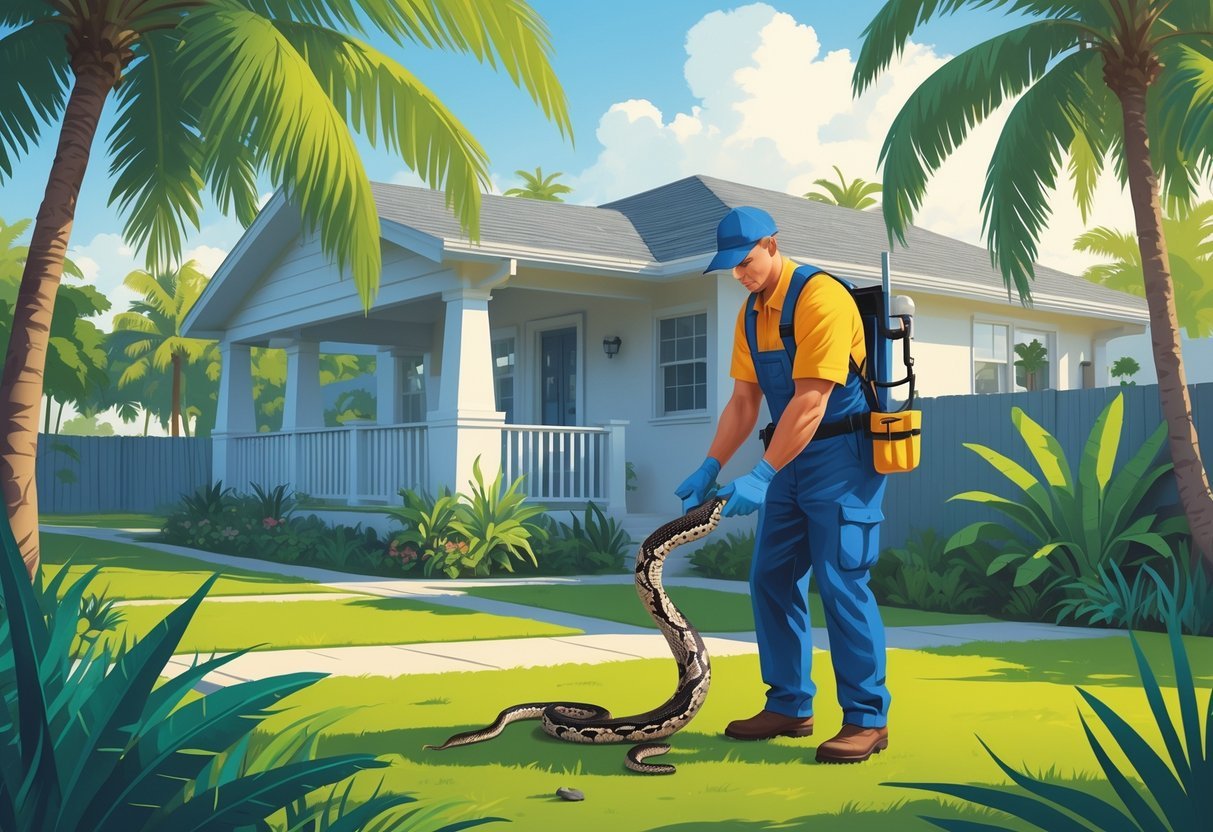
In addition to recognizing common local species, understanding when a snake poses a real danger, and learning about the techniques used during removal, this article also covers practical steps that can be taken to make your yard less attractive to snakes. It also provides details on venomous-snake safety and other nuisance wildlife services.
Recognizing Snake Problems in Palm Beach
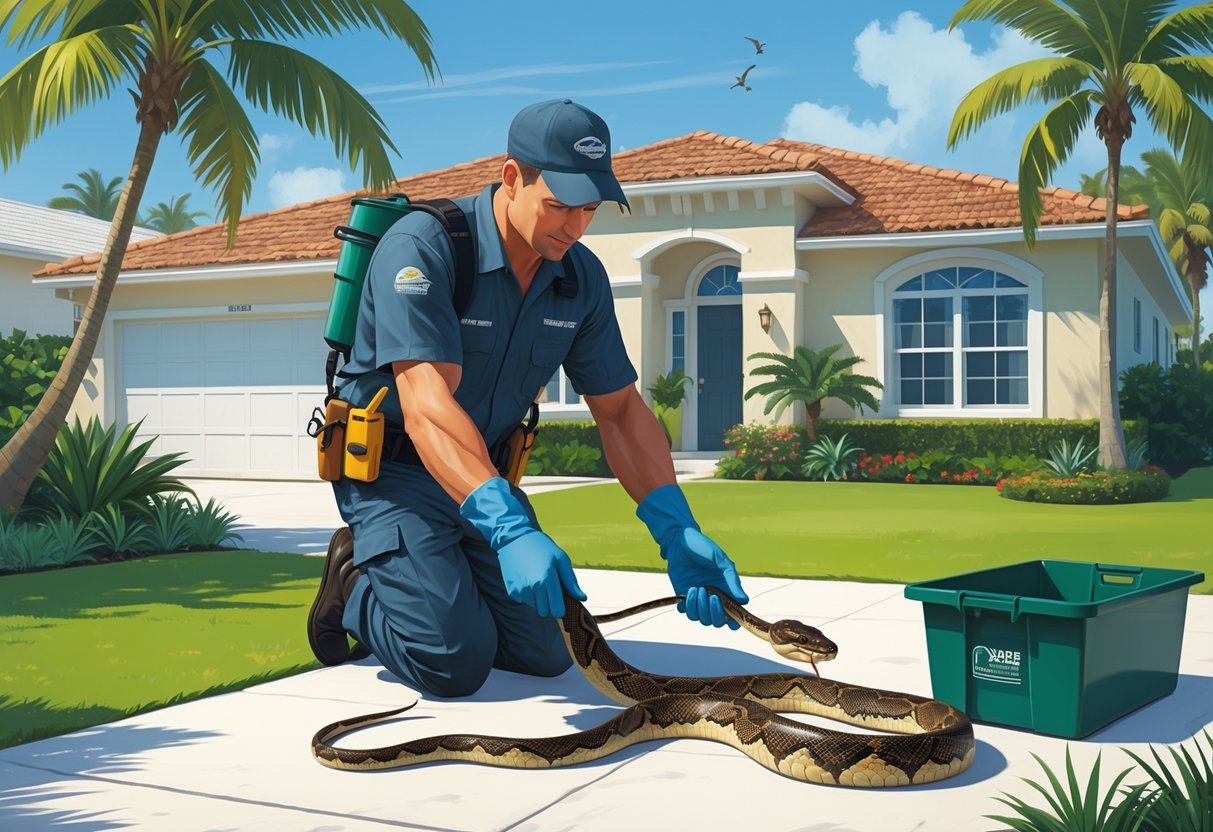
Snakes tend to congregate around water sources, dense landscaping, and structures that provide shelter for their prey. They are commonly found in yards, under decks, inside crawlspaces, or near ponds or canals.
The Most Common Snake issues Faced by Residents
Sightings of snakes around properties are often reported after rain or during warmer months. these encounters may include finding snakes in garages,gardens,under homes; shed skins near foundations; or taking shelter in rock piles or compost heaps.
Some of the venomous species found in Palm Beach include rattlesnakes, cottonmouths (water moccasins), and coral snakes. Though, there are also non-venomous native species that can be mistaken for perilous ones. Attempting to remove these snakes without professional help can be dangerous.
If you require snake removal services, it is important to look for licensed professionals who offer same-day response, humane trapping methods, and exclusion work.
Why Snakes Enter Homes and Properties
Snakes are attracted to properties primarily for food and shelter. Rodent infestations, bird nests, and an abundance of amphibians near water sources act as strong attractants. Tall grass, woodpiles, and open crawlspaces provide ideal hiding spots. It is also important to seal any structural access points such as gaps under doors or vents that may allow snakes into garages or crawlspaces.
Landscaping that borders natural habitats can create a corridor from wild areas to your yard.To effectively get rid of snakes long-term, it is indeed critically important to focus on integrated steps such as removing prey through rodent control measures, sealing entry points into your home or property, reducing ground cover where possible and installing exclusion barriers around foundations or under decks.
The Risks Associated with Snake Presence
The most immediate risk associated with snake presence is being bitten by a venomous species which may require urgent medical treatment. Children and pets are at a higher risk due to their tendency to play or explore in areas where snakes may hide.
In addition to bites from venomous species posing a danger, there are also secondary risks such as disease concerns from dead snakes on your property or the attraction of more snakes if you have persistent rodent problems. Attempting DIY removal increases the chance of injury and is frequently enough unsuccessful in preventing repeat visits. Professional snake removal services in Palm Beach minimize these risks by identifying species, using safe trapping or relocation methods, and performing exclusion work.
The Types of Snakes Found in Palm Beach
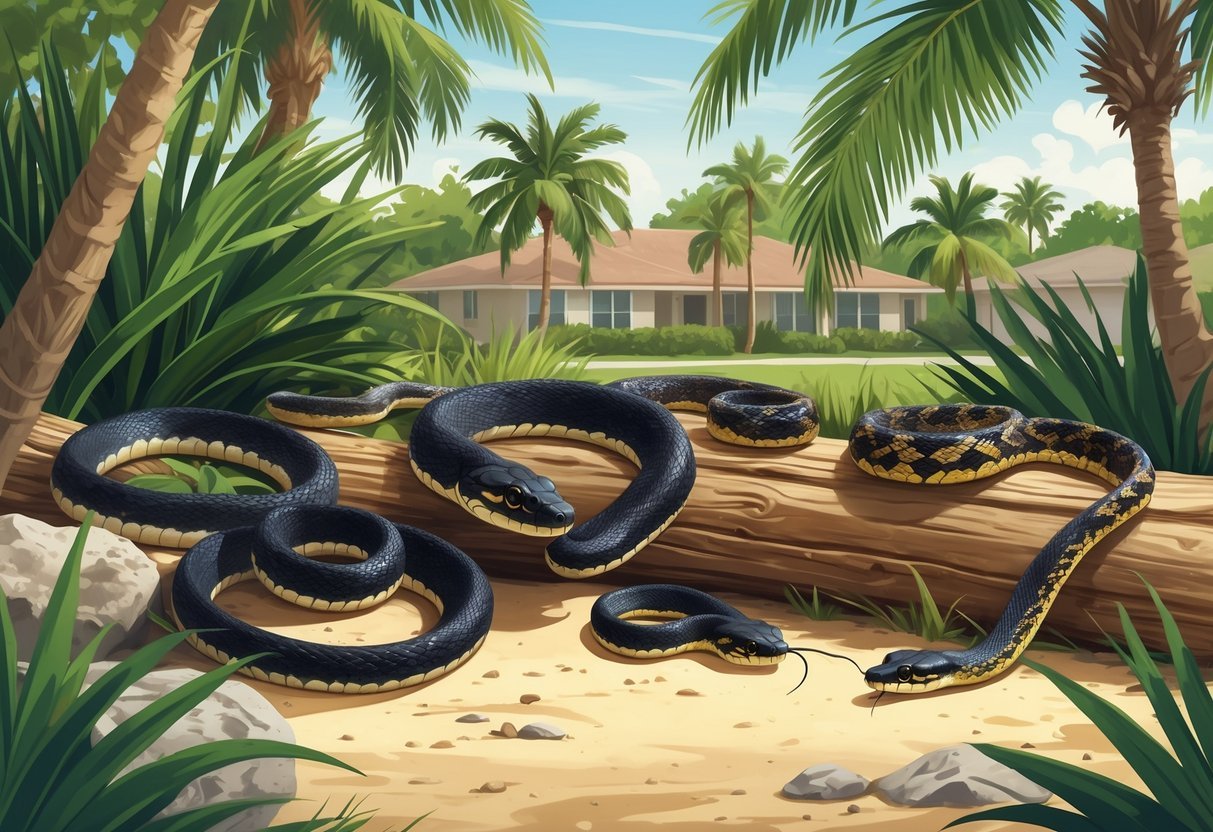
Both venomous and non-venomous species can be found in Palm Beach County. Knowing which snakes are likely to be on your property,how to recognize them,and when to seek professional help can reduce the risk of harm to you or your pets.
Venomous Snakes: Rattlesnake, Cottonmouth, Coral Snake, Pygmy Rattlesnake
Some of the venomous snakes found in the area include eastern diamondback rattlesnakes, dusky pygmy rattlesnakes, cottonmouths (water moccasins), and Florida coral snakes.
Eastern diamondbacks are large and heavy-bodied with a distinctive diamond pattern. They prefer dry brushy habitats and their bites can be serious.
Pygmy rattlesnakes are much smaller with a subtle rattle and tend to live near wooded edges or rock piles. Their venom is medically significant for small pets or children.
Cottonmouths typically live near water sources such as marshes or ponds. They have a blocky head shape and will display a white mouth lining when threatened.
Coral snakes have red-yellow-black bands on their bodies but are reclusive creatures that rarely strike unless provoked. Their bites deliver potent neurotoxins that require immediate medical attention.
If you suspect any of these species on your property, it is important to keep a safe distance and contact a licensed removal service rather than attempting to capture the snake yourself.
Non-Venomous Snakes commonly Found
Some of the non-venomous species commonly found in Palm Beach include rat snakes,corn snakes,and coachwhips. These snakes help control rodent populations and are often found in garages, sheds or woodpiles where prey is abundant.
Rat snakes are strong climbers and may be mistaken for venomous species due to their similar coloration.Corn snakes are smaller with more distinct patterns and can often be found in fields or suburban yards. While non-venomous snakes rarely pose a direct danger to people, they can cause alarm if encountered unexpectedly. Professional removal services use non-lethal traps,snake hooks,and relocation techniques to move these animals away from homes while preserving native populations. If the snake is not injured or venomous, it may be possible to give it space to leave on its own while securing pets and children.
Safely Identifying Snake Species
It is never safe to handle or approach an unknown snake. To safely identify a snake from a distance:
- Note its overall size
- Observe its body shape
- Note the head profile
- Look for color banding on its body
- Determine its habitat (water sources, brushy areas etc.)
Pit vipers such as rattlesnakes have triangular heads with heat-sensing pits between their eyes and nostrils. They also have stout bodies compared to other types of snakes.
Coral snakes have red-yellow-black bands but remember that this rhyme is not always accurate. If possible, take a clear photo of the snake from a safe distance and record its location before contacting a licensed wildlife removal company for assistance. Professionals will use tools such as snake tongs and hooks and follow local regulations for both venomous and non-venomous snake removal.
Professional Snake Removal Services
You can expect to learn how qualified teams handle snake sightings, when they can respond, and how they remove and relocate snakes safely by reading this article.
When you call a professional snake removal service in Palm Beach, technicians will begin by identifying the species of the snake. They will ask about its size, coloration, location, and behavior before approaching it. You can expect to be assisted by licensed professionals who are insured and follow local wildlife regulations. They will also use personal protective equipment (PPE), snake hooks or tongs, and also secure transport containers during the removal process.
The services provided typically include an inspection of your property followed by capture of the snake(s) found on your property. Specialists may also check for entry points such as gaps in foundations or garage doors that may allow snakes into your home or property. They may recommend specific repairs or exclusion measures to prevent future encounters with snakes on your property.
You should receive an itemized estimate for any work required along with recommendations for any additional sealing or habitat modification that might potentially be necessary to prevent future encounters with snakes on your property.
Emergency and Same-Day snake Removal Services
If you come across a snake inside your home or near children and pets, it is indeed critically important to act quickly. Contact a 24-hour snake removal provider immediately. Many operators in Palm Beach offer same-day or emergency response services, but be sure to confirm the estimated arrival time and any after-hours fees when you call.
When making an emergency call, provide the operator with precise location details such as which room the snake is in or where it was last seen. It is important to maintain a safe distance from the snake until professionals arrive.
The technicians who respond prioritize containment and rapid removal of the snake to reduce risk. They may temporarily cordon off areas, remove pets, and relocate occupants if necessary.
Be prepared for documentation of the species of snake that was removed and any actions taken by the professionals. If someone has been bitten by a snake,they may also provide referrals for medical attention.
Humane Snake Trapping and Relocation
In Palm Beach, most services emphasize non-lethal capture methods whenever possible. This means that professionals use funnel traps, live-capture boxes, snake hooks, and tongs to minimize stress and injury to the animal.
If a snake is trapped on your property, it will be placed in a ventilated container that prevents escape during transport. The technicians will then relocate it to a suitable habitat area following Florida wildlife guidelines. These relocation sites are chosen based on factors such as food availability, cover for sheltering purposes,and distance from residential zones to prevent return visits from snakes.
You can ask for more information about trap monitoring practices,baiting methods used,and how far away snakes are typically relocated.If relocation is not appropriate due to certain circumstances,the experts will explain choice options such as managed on-site containment or, in rare cases, euthanasia. These decisions are always made in accordance with local laws and prioritize public safety.
Venomous Snake Removal and Safety
Encountering a venomous snake on your property can be a dangerous situation. It is indeed critically important to take quick and deliberate steps to protect yourself, your family, and your pets.
firstly, it is important to be able to identify signs of a venomous snake infestation. Look for repeated sightings of snakes in the same area, especially near water sources,tall grasses,woodpiles,foundation gaps,and areas with high rodent activity.Venomous species in Palm Beach often have triangular heads, elliptical pupils,and keeled scales,but visual traits alone can be misleading.Other indicators include shed skins with distinct scale patterns,pets behaving unusually or unexplained wounds on livestock,and snake tracks in soft soil or mud.Nighttime movement near porch lights or thermal refuges (such as air-conditioning units or concrete slabs) also suggests the presence of a local population.If you are able to safely photograph the snake from a distance,this can help professionals identify the species.however,it is important not to delay seeking medical attention if someone has been bitten while attempting identification.
If someone has been bitten by a venomous snake,it is crucial to call 911 or local emergency services immediately.The effectiveness of antivenom depends on prompt treatment.It is also important to keep the victim calm and immobilize the affected limb at heart level if possible.Remove any rings,watches,or constricting clothing before swelling begins.Do not attempt any home remedies such as applying tourniquets,cutting into the wound,sucking out venom,or using ice.These actions can worsen tissue damage and complicate medical care.If possible,you may take photos of the snake from a safe distance to help medical professionals identify the species.However,do not delay transport in order to attempt identification.Keep pets away from the area and take note of where the bite occurred.
It is important to understand why venomous snake removal should only be handled by trained professionals.These specialists have species-specific training,certified handling equipment,and necessary permits.They use tools such as snake hooks,tongs,bite-proof gloves,and secure transport containers to minimize risk for both themselves and the animal.Licensed technicians also evaluate habitat factors,such as sealing entry points,removing attractants like stacked firewood or excessive mulch,and setting up rodent control measures to prevent re-infestation.They also carry liability insurance and follow local regulations for relocation or euthanasia when necessary.Hiring specialists minimizes injury risk,ensures legal compliance,and increases the chances of a permanent solution.
Prevention and Snake Control Tips
The best way to deal with snakes on your property is through prevention methods that focus on removing shelter and food sources,sealing entry points,and using targeted repellents as part of a broader strategy.
To start,you can modify your property’s habitat by inspecting your foundation,sheds,fences,and other structures for gaps larger than 1/2 inch.Snakes are able to squeeze through surprisingly small openings so it is important to seal any cracks with concrete or weatherproof caulking.Install door sweeps on exterior doors and repair damaged screens in order to deny easy access.You should also keep outbuildings and crawlspaces dry and well-ventilated.Store firewood at least 18 inches off the ground and at least 15-20 feet away from your house.Trim vegetation so that grass stays below 6 inches near foundations.Remove rock piles,dense mulch,and long ivy where snakes may hide.Install fine-mesh hardware cloth (1/4-1/2 inch) around vents and under porches.If you use fencing,choose smooth,welded wire that is at least 36 inches high and bury it 6-12 inches into the soil with a 3-6 inch outward flange to discourage climbing or digging.
When using snake repellents,it is important to treat them as a temporary supplement rather than a standalone solution.Most chemical repellents have varying levels of effectiveness and may need to be reapplied after rain.It is important to follow label directions and only use EPA-registered products.Consider natural barriers such as sulfur or naphthalene-based products cautiously,as these may irritate pets and children and frequently enough offer limited,short-term deterrence.Electronic or ultrasonic devices lack reliable scientific support and should not replace exclusion methods or habitat modification.If you hire professionals,ask about their targeted,humane control methods,and whether they use repellents as part of an integrated plan.Documented exclusion work and habitat changes deliver longer-lasting results than repeated treatments with repellents.
Reducing attractants on your property can also help prevent snakes from taking up residence. Eliminate rodent food sources by securing trash,picking up fallen fruit,and using tightly sealed compost bins.Seal any gaps where rodents may enter buildings.Trapping or hiring professional rodent control services can quickly reduce the snake food supply.You should also consider low-profile landscaping near your home.Replace dense groundcover with gravel or closely mown lawn,and keep plant beds well-spaced,mulched with rock instead of wood chips in areas where snakes are common.Maintain clear sightlines so that you can spot snakes early on.If you keep poultry or pets,enclose runs with welded-wire fencing,and check daily for any signs of snakes.Avoid leaving pet food outdoors overnight.These steps combined with regular yard inspections will greatly reduce the chances of having snakes take up residence on your property.
Other Nuisance Wildlife Removal Services
Many wildlife removal services offer more than just snake capture.They also handle animal proofing,attic cleanup,and live trapping for a variety of species.Pricing,timelines,and methods may vary depending on the species and whether the job includes exclusion repairs or sanitation measures.
It is indeed critically important to understand the differences between wildlife and snake removal.Wildlife removal covers a broad range of animals such as raccoons,opossums,squirrels,bats,and birds.While snake removal focuses specifically on locating,safely capturing,and relocating snakes.Technicians prioritize identification (venomous vs. non-venomous),containment without provoking strikes,and immediate removal.Other types of wildlife frequently enough require trapping,nest or den removal,and sometimes euthanasia where local laws allow.Different protective equipment and permits may be necessary for these jobs.Removing bats or raccoons usually involves attic inspections,exclusion work (sealing entry points),and decontamination of guano or droppings.Snake work often requires rapid-response service and habitat modification (removing brush,sealing crawl spaces) to prevent recurrence.Turnaround time and follow-up procedures also differ between these types of jobs.Wildlife jobs commonly include multi-step exclusion and repair with monitoring.
in order to keep your home safe from snakes,it is important to take preventative measures such as sealing entry points,removing attractants like food sources,and using targeted repellents only as part of a broader strategy.If you do encounter
Snake removal services can involve same-day captures, but it is important to also conduct thorough yard and structure checks afterwards to prevent the snakes from returning.This is crucial for both the safety of your property and the well-being of these animals.
Related Services: Bat and Animal Removal
Bat removal is not just a structural issue, but also a public health concern. It is essential to hire a team that specializes in humane eviction methods, bat-proofing techniques (such as one-way valves or mesh), and safe guano cleanup using proper personal protective equipment (PPE).
Proper guano removal not only eliminates odor that attracts pests, but also reduces the risk of fungal diseases. For other nuisance wildlife,services typically include live trapping,relocation in accordance with local regulations,den destruction,and repairs to roofing,vents,and foundation gaps.
Inquire about additional remediation services such as attic insulation replacement, odor treatment, and wildlife-proof fencing. When requesting an estimate from a company offering wildlife removal services, make sure they provide clear pricing for each aspect of their work including trapping fees, exclusion costs,reparation expenses,and cleanup charges.
It is important to confirm that the company follows county rules for relocation and has proper insurance coverage and permits for their wildlife removal services.
Choosing the Right Wildlife Removal Company
To ensure you are hiring a reputable company for your wildlife removal needs in Palm Beach County,it is recommended to choose one with local experience,present proof of state or county permits,and have liability insurance coverage.
You should also verify that their technicians are trained in species identification,humane capture methods,and structural exclusion techniques before making your decision.
Prior to hiring any company,its important to check for these service details:
- A written estimate with itemized costs for trapping, exclusion, repairs,and cleanup.
- A warranty or guarantee for their exclusion and re-entry prevention services.
- References or online reviews specifically mentioning bat removal, attic cleanup,or raccoon trapping.
Be sure to ask specific questions such as how they handle venomous snakes,what materials they use for exclusion,and whether they provide post-removal sanitation services. It is indeed also beneficial to choose a company that documents their work with photos and offers follow-up inspections. In cases where repairs exceed their scope of work,it is helpful if the company can coordinate with pest control or building contractors.


Finally a reliable way to handle those slithery intruders in Palm Beach!