
if you are looking for an up-close experience with reptiles, amphibians, arachnids, and the people who study and breed them, this expo offers a concentrated weekend of exhibits, vendors, and live demonstrations. With thousands of animals on display and specialist vendors present, you can easily compare species, ask breeders any questions you may have and purchase supplies all in one visit. the event also provides educational presentations to further your knowledge about these fascinating creatures.

Detailed information about the location of the expo is provided so that attendees can plan thier visit accordingly. The article also covers what to expect at the event such as different types of animals on display, how to navigate through vendors and breeders effectively, which educational sessions are worth attending as well as tips for purchasing tickets that will save time and enhance your experience.
Overview of South Florida Reptile Expos
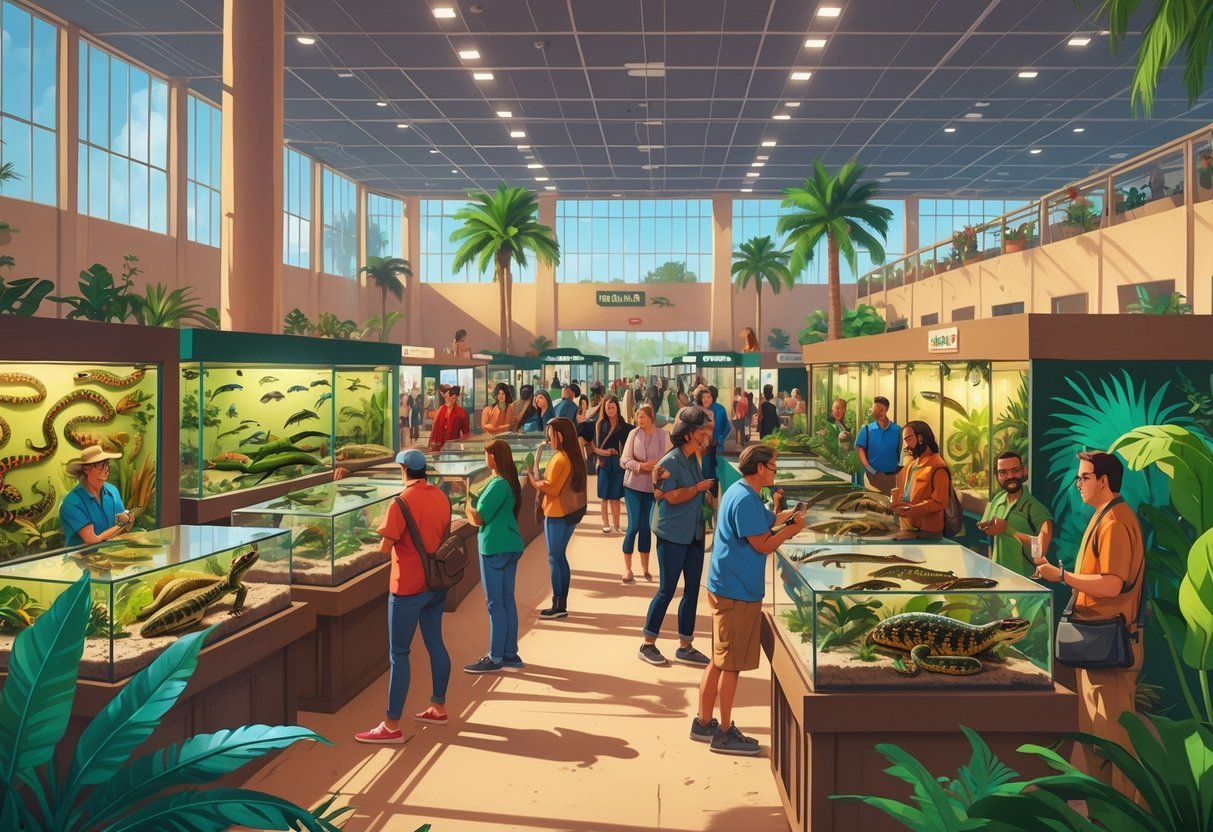
South Florida hosts large indoor events throughout the year where hundreds of vendors come together to showcase their animals along with educational talks for attendees to learn more about these creatures.These expos offer a mix of sales from conservation-minded breeders as well as supplies needed for keeping these animals at home.
What Is a Reptile Expo?
A reptile expo is a public event that focuses on the trade and education of reptiles, amphibians, arachnids, and related supplies. It provides an opportunity for attendees to purchase captive-bred animals, feeders, terrariums, lighting and substrate directly from breeders and vendors. these expos also offer educational talks and live demonstrations for attendees to engage with these creatures in a hands-on manner. It is recommended to use this opportunity to ask breeders about husbandry practices, lineage of the animals and also any health guarantees before making a purchase.
Key Expos in South Florida
Reptilian Nation Expo hosts large-scale events at venues such as the south Florida Fairgrounds Expo Center where thousands of animals are on display along with multiple vendor categories and scheduled educational presentations. Scales Expo also hosts weekend events at the same fairgrounds which attracts local breeders and hobbyists with a mix of sales and public programming. Other recurring shows include regional reptile expos which can be found by checking organizer websites for dates and locations.
Annual Event Schedule
While there are reptile expos held throughout the year in South Florida, major shows tend to cluster during fall and winter months. Reptilian Nation Expo typically schedules events in February at the South Florida Fairgrounds while Scales Expo runs weekend events during autumn months.It is indeed critically important to verify dates on organizer websites before planning your visit as timetables may change from year to year.
Event Location & Venue Details

The location of each expo is clearly stated along with parking options and venue rules. This allows attendees to plan their arrival, set-up and accessibility needs with ease.
South Florida Fairgrounds Expo Center Information
The expo takes place at the South Florida Fairgrounds Expo Center which is located at 9067 Southern Blvd, West Palm Beach, FL. The center includes multiple exhibit halls with climate control to ensure the comfort of animals on display. With tens of thousands of square feet of indoor exhibit space, there is plenty of room for vendor booths, demonstration areas and a presentation zone. Wide aisles are also provided for vendors transporting animals and supplies.
Getting There & Parking
The South Florida Fairgrounds Expo Center can be easily accessed by major routes such as Southern Boulevard (US-98) and local arteries. Onsite parking is available in multiple lots adjacent to the expo center with designated areas for general parking, vendor load-in as well as accessible parking spaces close to entrances with ramped access.
Venue Rules & Accessibility
To ensure the safety of attendees and animals alike, certain rules are enforced at these expos such as no outside animals (except service animals), secure enclosures for animal displays and no open flames or unapproved heating devices. It is important to bring appropriate containment for species that require handling restrictions. The venue also provides accessibility features such as wheelchair ramps,accessible restrooms and level concrete floors for mobility devices.
Exhibits & Animal Variety
Attendees can expect a wide variety of reptiles on display along with educational stations where they can interact with these creatures in a hands-on manner. Exhibits are well-organized with clear labeling and safety barriers in place while staff or breeders are available to answer any questions about specific species.
Reptiles & amphibians on Display
A diverse range of reptiles and amphibians can be seen at these expos, from ball pythons and corn snakes to monitor lizards and tree frogs. Exhibits often include demonstration enclosures for larger species as well as smaller display tanks for geckos, dart frogs and newts. Breeders also bring captive-bred morphs of popular species for attendees to compare color phases and ask about lineage and husbandry practices. Educational talks are also provided to highlight husbandry standards, enrichment, and conservation status of at-risk species.
Exotic Animals & Invertebrates
While the focus remains on reptiles, some tables may also have exotic mammals or birds on display.However, the majority of vendors will be showcasing reptiles along with supplies needed for their care.
-alongside large bugs, spiders, and crustaceans.
Tarantulas and scorpions are frequently enough displayed in secure cases with handling demonstrations at scheduled times.
Isopods and springtails can be found at manny vendors who specialize in bioactive setups for substrate cycling and terrarium cleanup.
Vendors typically label their invertebrates with information on care level and lifespan, making it easier for buyers to choose a species that matches their experience level.
If you plan on handling an animal, make sure to check the posted safety rules and follow any instructions given by the vendor. Some species may require gloves or experienced handlers only.
Marketplace Offerings
The marketplace is filled with a variety of vendors selling everything from live animals to professional breeders’ setups.You can also find booths offering enclosures, lighting, heating systems, substrates, live food options (such as crickets or roaches), enclosure furniture (like hides or climbing branches), and also specialized products like UVB fixtures and thermostats.
Many vendors also provide printed care sheets for their animals, microchipping services, or post-sale support contacts. Prices are usually clearly marked along with any warranty terms or permit requirements. If your interested in purchasing a regulated species, make sure to ask about permits beforehand. For higher-value animals like rare morphs or breeding pairs, it’s always an excellent idea to request photos of the parents or breeding setup before making a purchase.
Breeders vs Vendors vs Community
At reptile expos you’ll encounter experienced breeders selling captive-bred animals alongside vendors offering husbandry gear. You’ll also have the opportunity to meet other hobbyists who are passionate about reptiles and willing to share their knowledge and resources with others.
When it comes to breeders, you can expect to find a wide range of species-specific expertise. Reputable breeders will often have clear lineage information and morph records available for their animals,as well as proper husbandry setups at their tables. Don’t be afraid to ask about breeding history, feeding schedules, quarantine practices, and any health guarantees they offer. A good breeder will welcome questions about parentage, genetic morphs, and the animal’s temperament.It’s also a good idea to bring a checklist with you when evaluating potential purchases; make sure to note the age, sex, feeding pattern, and any veterinary records you require.
When it comes to vendors selling supplies or equipment for reptiles, it’s important to compare product brands and warranties before making a purchase. Make sure that the equipment matches your specific species’ thermal and UVB needs rather than making impulse purchases based on price or appearance alone. Many vendors also offer on-site demonstrations of thermostats, lighting setups, and enclosure builds so that you can see how they work in person.
The reptile community is also an important aspect of expos; here you’ll find hobbyists ranging from first-time keepers to long-time breeders who are willing to share tips on husbandry techniques and also local regulations and captive-breeding ethics.
Meet the Breeders
Breeders at expos often specialize in certain species such as ball pythons or corn snakes. Look for those who display clear lineage information along with proper husbandry setups at their tables. Ask about breeding history, feeding schedules,
quarantine practices,
and any health guarantees they offer.
Reputable breeders will welcome questions about parentage,
genetic morphs,
and the animal’s temperament.
Bring a checklist: age,
sex,
feeding pattern,
and any veterinary records you require.If you plan to buy,
inspect animals for clear eyes,
clean vents,
active breathing,
and appropriate body condition.
trust breeders who provide post-sale support and written care instructions.
Trusted Vendors and Supplies
Vendors at expos typically sell a variety of supplies and equipment for reptiles,including enclosures,thermostats,UV lighting,substrates,hides,and live feeder insects. Before making a purchase, make sure to compare product brands, warranties, and return policies. It’s critically important to prioritize equipment that matches your specific species’ thermal and UVB needs rather than making impulse purchases based on price or appearance alone. Many vendors also offer on-site demonstrations of their products so that you can see how they work in person.
When it comes to purchasing live food options like crickets or roaches from vendors at expos, make sure to ask about bulk discounts as well as the safety of the food for your reptile. You can also inquire about recommended brands for reptile-safe plants if you’re interested in adding some greenery to your enclosure.
It’s always a good idea to carry a small toolkit with you when evaluating potential purchases; this will allow you to verify enclosure fit as well as take measurements if needed.Make sure to request receipts for warranty tracking purposes.
Connecting with Reptile Enthusiasts
The reptile community is an important aspect of expos; here you’ll find hobbyists ranging from first-time keepers to long-time breeders who are willing to share tips on husbandry techniques as well as local regulations and captive-breeding ethics.
If you’re interested in connecting with other enthusiasts outside of the expo setting, make sure to join mailing lists or social media groups promoted at the event. You can also ask about local clubs or rescue groups that might potentially be looking for new members or collaborators for breeding projects.
Make sure to bring business cards or note contacts for breeders and vendors you trust.This will allow you to stay in touch with them after the expo is over.
Educational Activities and Experiences
Reptile expos offer a variety of hands-on encounters, expert talks, and practical guidance that can help you learn more about reptile biology, handling, and care.
Sessions range from short demonstrations to longer interactive exhibits designed for different ages and experience levels. Make sure to check the event schedule beforehand so that you can plan which sessions you want to attend.
Live Demonstrations and Presentations
you can attend scheduled presentations lead by breeders, herpetologists, and experienced keepers that focus on species-specific behavior, husbandry techniques, and conservation efforts. these talks typically last between 15-45 minutes depending on the topic being covered. Many presenters also use live animals to illustrate their points. You may see handling techniques,
enrichment demonstrations,
or even a presentation on how professionals manage large reptiles safely.
Organizers usually post a timetable so that attendees can plan which demonstrations they want to catch.
Speakers also take questions at the end of each session.
Make sure to come prepared with specific questions about enclosure dimensions,
substrate choices,
or species compatibility to get actionable answers from people who work with these animals daily.
interactive Experiences
Along with presentations and demonstrations, many expos also offer supervised animal interactions such as photo ops or touch tanks where attendees can handle or closely observe snakes,
bearded dragons,
turtles,
and small crocodilians under staff guidance.
These experiences typically include brief safety orientations and also strict handling rules to protect both the animals and attendees.
You can also find booths set up by vendors and rescue groups offering hands-on workshops such as enclosure-building demos,
habitat lighting comparisons,
and live-food handling demonstrations.Make sure to look for age-specific sessions if you’re bringing children; many expos offer “meet-and-greet” segments for younger visitors as well as more advanced workshops for experienced hobbyists.
Always follow staff instructions and ask about animal stress signs before interacting with any animals.
Responsible Ownership Education
One of the main goals of reptile expos is to educate attendees on responsible ownership practices. this includes detailed guidance on long-term care, legal considerations, and ethical sourcing.
Sessions cover topics such as realistic lifespan expectations,
space and enrichment needs,
veterinary care frequency,
and costs associated with common reptiles in order to help potential buyers assess their readiness before acquiring an animal.
Presenters also emphasize legal and conservation issues such as permit requirements for certain species,
local restrictions,
and the importance of avoiding wild-caught animals. Attendees can expect to receive resources like checklists, vendor recommendations, and contact information for local exotic veterinarians or rescue organizations. Hands-on segments may also be offered that teach biosecurity measures such as quarantine procedures, parasite prevention, and safe feeding practices in order to reduce disease risk.
If you’re interested in purchasing an animal at the expo, make sure to pick up printed care sheets from breeders or talk directly with them about lineage information,
health history,
and proven enclosure setups in order to make informed decisions.
Admission InformationTips for attending a Reptile Expo: What You Need to Know Before You Go
Reptile expos are exciting events for reptile enthusiasts, offering the opportunity to see and purchase a wide variety of reptiles, amphibians, and other exotic pets. However, before attending one of these events, it’s important to be aware of some key information and guidelines.Here are some tips for attending a reptile expo that will help you make the most out of your experience.
Know the Rules and Regulations
Before heading to a reptile expo, it’s crucial to familiarize yourself with the rules and regulations set by both vendors and organizers. These rules may vary from event to event but typically include restrictions on outside animals, bag checks, photography policies, handling animals at vendor booths, etc. It’s important to follow these rules strictly as they are in place for the safety of both attendees and animals.
Be Prepared for Family-Friendly Shows
If you’re planning on bringing children along with you to a family-friendly show at the expo, be sure to supervise them closely at all times. While most family-friendly shows allow children in attendance, there might potentially be restrictions on strollers or small carriers due to venue aisle limitations.It’s always best to check with organizers beforehand if you plan on bringing young ones along.
Stay Informed About Health Protocols
In light of recent events such as COVID-19 outbreaks or other health concerns within the reptile community itself (such as salmonella),many organizers now post updated health protocols before each event. Be sure to stay informed about any mask requirements or vaccination policies that may be in place before attending an expo. Additionally, if you plan on handling any animals at vendor booths during your visit, make sure you know how best to do so safely.
Come Prepared With Cash And Cards
While most vendors accept credit cards nowadays (and some even have mobile payment options), it’s always a good idea to bring some cash with you as well. Some smaller breeders may only accept cash, and it’s always better to be safe than sorry. Additionally, if you plan on making any purchases at the expo, be sure to bring reusable bags or secure carriers for your new pets.
Dress Comfortably
Reptile expos can get crowded and warm due to the number of people and animals in attendance. It’s important to dress comfortably in layers so that you can adjust accordingly throughout the day. Also,wear comfortable shoes as you’ll likely be doing a lot of walking around.
Take Notes And Be Prepared For Transporting animals
If you’re planning on purchasing any animals at the expo,it’s helpful to have a small notebook or use your phone to record vendor names,prices,and husbandry notes for each animal you consider buying. This will help ensure that you make informed decisions about which pets are right for you. Additionally, if you plan on transporting any animals home with you after the event, make sure that they are properly secured in approved carriers and have any necessary cooling or heating aids ready.
attending a reptile expo can be an exciting experience for reptile lovers of all ages.by following these tips and being prepared beforehand with knowledge about rules and regulations, health protocols, payment methods, appropriate attire and transportation needs; your visit is sure to be enjoyable while also ensuring the safety of yourself and others at the event.


I can’t wait to see all the amazing reptiles at the expo! 🦎🐍🐢