
How to Handle a Snake encounter in Your Florida Yard
Encountering a snake in your Florida yard can be a scary experience, but it’s important to stay calm and take the necessary precautions. Whether the snake is venomous or non-venomous, it’s crucial to give it space and avoid trying to handle or kill it. In this article, we’ll discuss how to assess the situation, identify common Florida species, and take immediate actions for safe encounters.
Assessing the Situation: What To Do If You see a Snake in Your Florida Yard
If you come across a snake in your yard, follow thes steps:
- Stay calm and keep at least several feet of distance from the snake.
- Note its size, color pattern, and behavior.
- Determine if it poses an immediate risk to people or pets.
- If necessary, call for professional help.
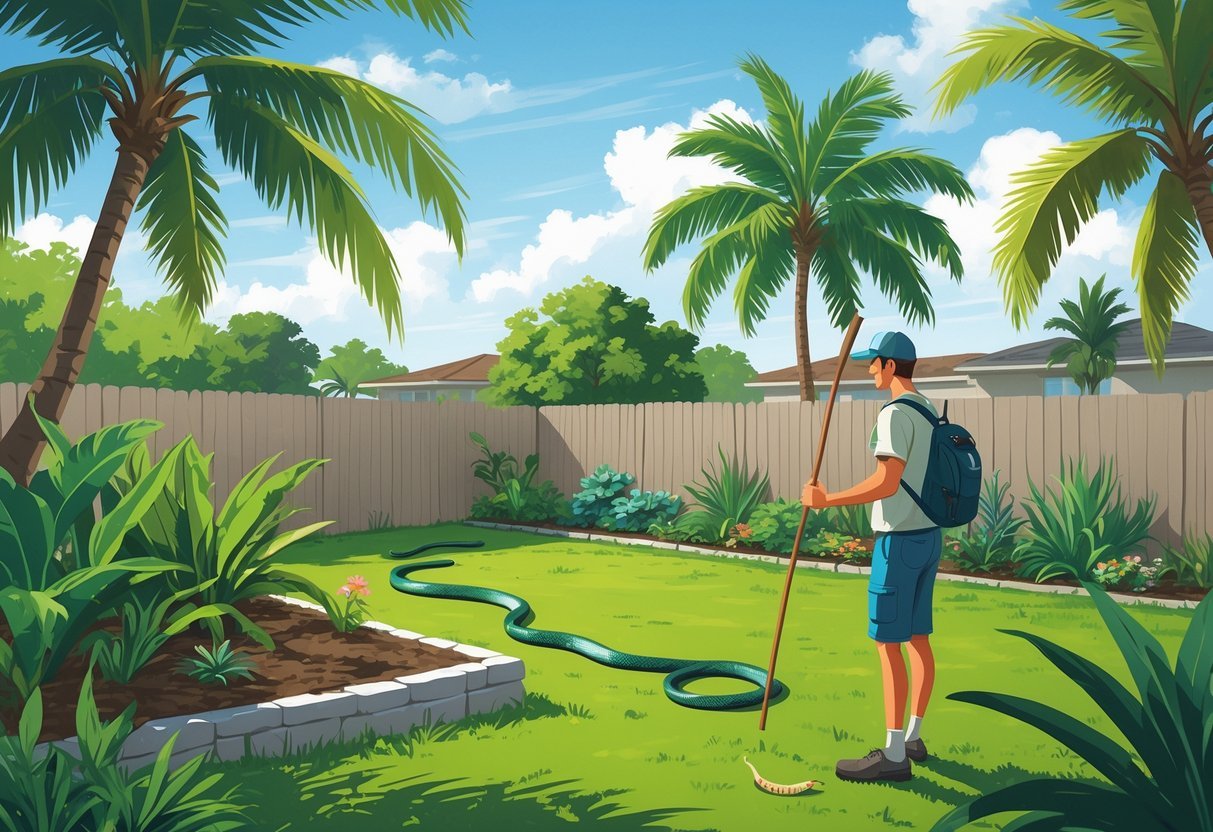
Remain Calm and Observe from a Distance
The first step when encountering any wild animal is to remain calm. This will help you think clearly and make rational decisions. Keep children and pets inside immediately and move slowly away from the snake if possible. It’s important not to try to handle or provoke the snake as this can increase your chances of getting bitten.
Determine If the Snake Is Venomous or Non-Venomous
To determine whether the snake is venomous or non-venomous, it’s important to observe its physical characteristics from a safe distance. Look for visual cues such as head shape, body pattern, and behavior. in Florida, common venomous species include eastern diamondback rattlesnakes, timber rattlesnakes, pygmy rattlesnakes, water moccasins (cottonmouths), and coral snakes.
If you are able to safely photograph the snake with zoom, do so. This can help professionals and wildlife agencies identify the species later on. If you are unsure or the snake is near high-use areas such as a pool or patio, treat it as potentially dangerous and keep others away until it can be removed.
Contact Professional Snake Removal Services
If the snake is inside your home or appears to be venomous, it’s best to call for professional help. Look for licensed wildlife removal specialists or your county animal control.Provide them with your exact address and location of the snake along with any photos you may have taken.
It’s important to note that there may be a fee for this service and emergency calls may cost more. Do not attempt DIY removal if the snake may be venomous – professionals have the necessary training and tools to remove snakes safely.
identifying Common Snake Species in Florida
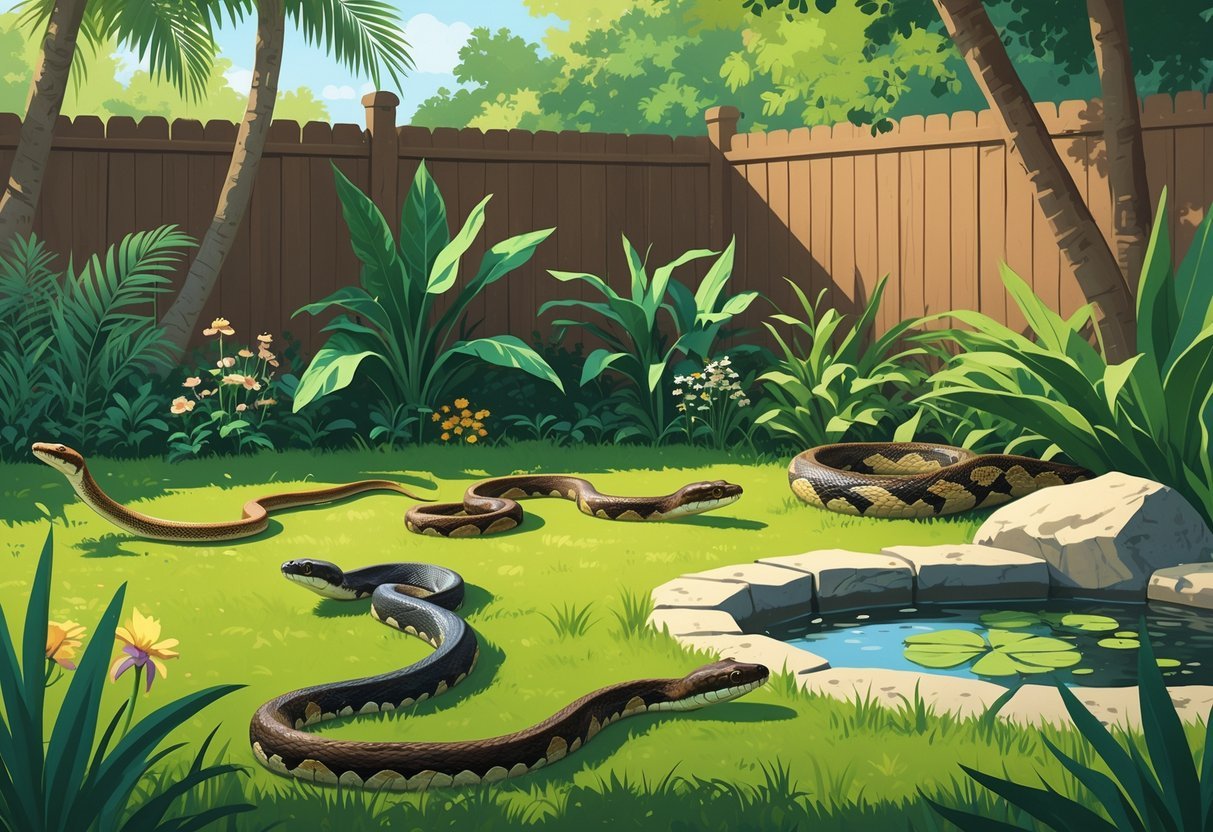
in Florida yards, you’ll often come across either slender non-venomous snakes or chunkier venomous ones. It’s critically important to learn how to distinguish between these species in order to take the appropriate actions.
Venomous Snakes: eastern Diamondback Rattlesnake,Copperhead,Cottonmouth,Coral Snake
Eastern diamondback rattlesnakes are large and heavy-bodied with dark diamond patterns edged in lighter scales. If you hear a rattle, back away calmly as they deliver the most serious bites in Florida by volume.
Copperheads are shorter with hourglass-shaped crossbands and a triangular head. They are mostly found in the Panhandle and prefer wooded or rocky areas. their color blends with leaf litter, so be cautious when walking through these areas.
Cottonmouths (water moccasins) are semi-aquatic and often seen near ponds or canals. They have a stout body and a blocky head; when threatened they may gape, showing a white mouth interior.
Coral snakes are slender with radiant red, yellow, and black banding – remember the rhyme “red on yellow, kill a fellow” to distinguish them from similar non-venomous mimics. While coral snake bites are less common than other venomous species in Florida, they can be medically serious so it’s critically important to avoid handling any small brightly banded snake.
Non-Venomous Snakes: Black Racers, Rat Snakes, Corn Snakes
Black racers are long and fast-moving with smooth scales. They usually flee quickly but may strike if cornered. You’ll often find them hunting rodents in yards or open fields.
Rat snakes (including corn snakes) have patterned bodies – brown or orange blotches on a lighter background – and are excellent climbers commonly found near barns or trees. They control pests and typically freeze or vibrate their tails rather than bite when threatened.
Immediate Actions for Safe Snake Encounters
If you encounter a snake in your yard, it’s important to take immediate actions to ensure the safety of yourself and others.
Keep Pets and Children Away
The first step is to move children and pets indoors or to a safe room immediately. Do not let curious children or dogs approach the snake as this can be dangerous. If possible,create a physical barrier between the snake and any high-use areas such as play areas,pools,or pet zones.
Do Not Attempt to Handle or Kill the Snake
It’s critically important not to try to catch, grab, poke, or kill the snake. Handling greatly increases your risk of getting bitten and makes identification harder for professionals. Even non-venomous snakes can bite when threatened so it’s best to leave them alone if they are not posing an immediate threat.
If you are unsure about the species of snake or it is in a high-traffic area on your property, photograph it from a safe distance instead of attempting removal yourself. for venomous snakes or uncertain identifications, call a licensed removal service for assistance.
In Conclusion
Encountering a snake in your florida yard can be intimidating but by following these steps you can handle the situation safely and effectively. Remember to stay calm, give the snake space, and seek professional help if necessary. By taking these precautions you can ensure both your own safety and that of any wildlife around you.
How to Keep Your Yard Safe from Snakes: Tips for Prevention and Removal
Snakes are a common sight in many yards, but they can also pose a danger to humans and pets. If you encounter a snake on your property, it’s critically important to know how to handle the situation safely. In this article, we’ll discuss ways to prevent snakes from entering your yard and what to do if you come across one.
Preventing Snake Encounters
The best way to deal with snakes is by preventing them from entering your yard in the first place. Here are some tips for making your yard less attractive to these slithery creatures:
– Remove debris and overgrown vegetation: Snakes love hiding in piles of wood, rocks, leaves, and thick brush. Clear these areas within 10-20 feet of your home.
– Limit moisture: Snakes need water just like any other animal. Eliminate standing water sources such as puddles or leaky hoses.
– Control rodent and insect populations: These are common food sources for snakes. By reducing their numbers, you’ll make your yard less appealing.- Install snake-proof fencing: Use fine-mesh galvanized hardware cloth (1/4 inch or smaller) at least 36 inches high around the perimeter of your property.
If You Encounter a Snake
If you come across a snake on your property, it’s important not to panic. Remember that most snakes are harmless and will try to avoid humans if given the chance.
Here’s what you should do:
– Keep a safe distance: stay at least six feet away from the snake at all times.
– Call for help: If someone has been bitten or if the snake could be venomous (such as rattlesnakes or coral snakes), call 911 immediately.
– Seek medical attention: Time is crucial when it comes to administering antivenom for venomous bites. While waiting for help, have the bitten person lie down and keep the affected limb immobilized below heart level.
– Provide details: If you have photos of the snake or if you contacted a snake removal service, provide this information to responders. This will help them identify the species and administer appropriate treatment.
– Do not attempt to remove venom: Do not use ice, tourniquets, or try to suck out venom. These methods are ineffective and can cause further harm.
Hiring a Professional Snake Removal Service
If you’re unsure about how to handle a snake on your property or if you want to prevent future encounters, it’s best to call a professional removal service. here are some tips for choosing a qualified company:
– Look for licensed wildlife removal companies that specialize in snake removal.
– Ask about their experience with local Florida species and what equipment they use for safe capture.
– Confirm they have insurance and permits for handling wildlife in your area.
– Request an itemized estimate that includes any follow-up exclusion work.
– Ask about their policy on relocation vs. humane euthanasia of snakes.
After Removal: Long-Term Prevention Strategies
Once the snake has been safely removed from your property, it’s important to take steps to prevent future encounters. Here are some strategies recommended by professionals:
– Seal entry points: Inspect your home’s foundation, doors, windows, and utility penetrations for openings larger than 1/4 inch. Use caulk or expanding foam (for larger voids) to seal these gaps.
– Maintain fencing and screens: Check fences every 3-6 months for rust or damage. Trim vegetation near fences as snakes can use these as climbing aids.
– Adopt yard habits that deter snakes: Keep lawn mowed short (3 inches or less), remove rodent food sources such as pet food left outside overnight, avoid dense brush near foundations.
By following these tips and hiring professional help when needed, you can keep your yard safe from snakes and prevent future encounters. remember to always stay calm and keep a safe distance if you do come across a snake on your property.


Great information, thanks for sharing!
BeachBum24: Very helpful tips, especially living in Florida!