
In order to ensure the safety of your home and protect snakes, it is significant to choose a humane relocation method performed by trained professionals. These professionals are equipped with the knowledge and skills to identify different snake species, use non-lethal capture methods, and release them in areas where they pose no threat.
This article will provide you with a comprehensive understanding of what humane relocation entails in South Florida. It will also highlight the importance of hiring professional snake removal experts for both venomous and non-venomous species commonly found in the region.Additionally,you will learn about simple prevention steps that can be taken to reduce future encounters with snakes.
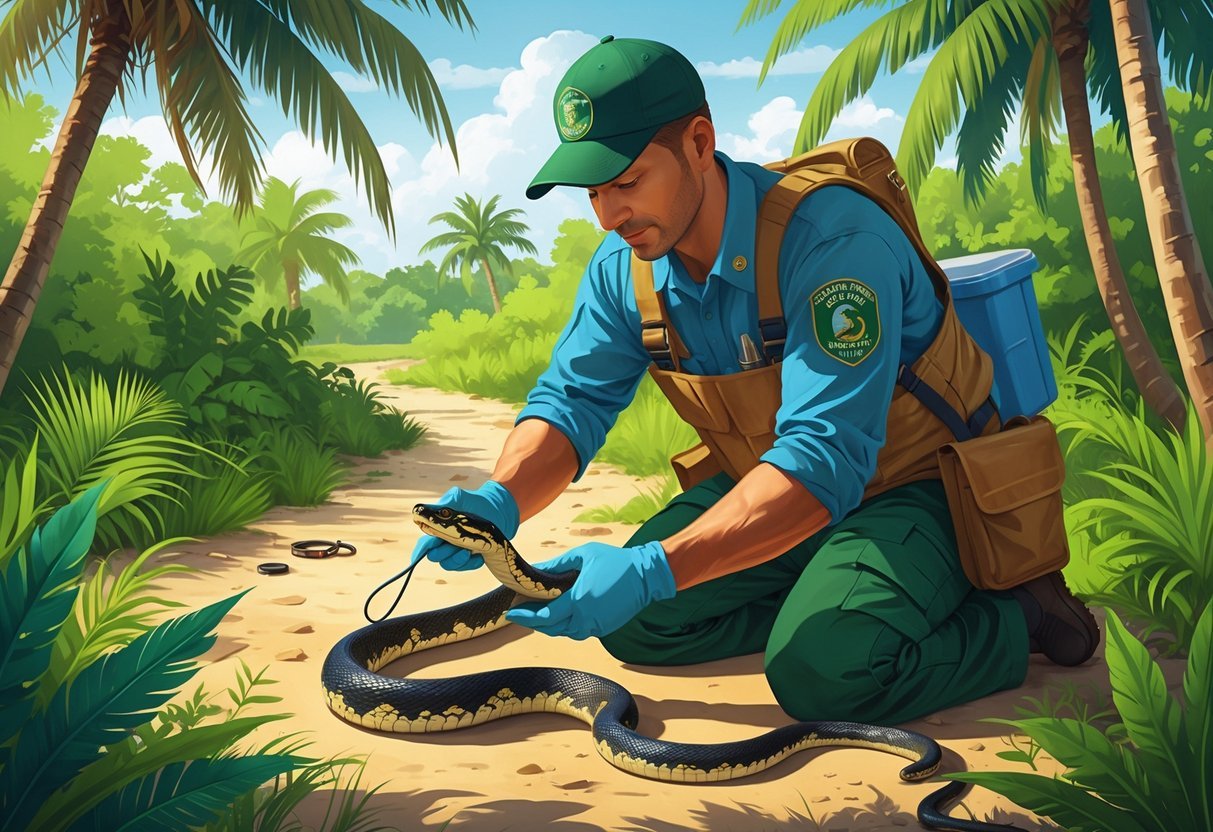
This article will provide clear guidance on safe removal techniques, how experts decide on relocation sites, and practical tips for selecting a licensed wildlife service that can effectively help without harming local wildlife.
The Concept of humane Snake Relocation
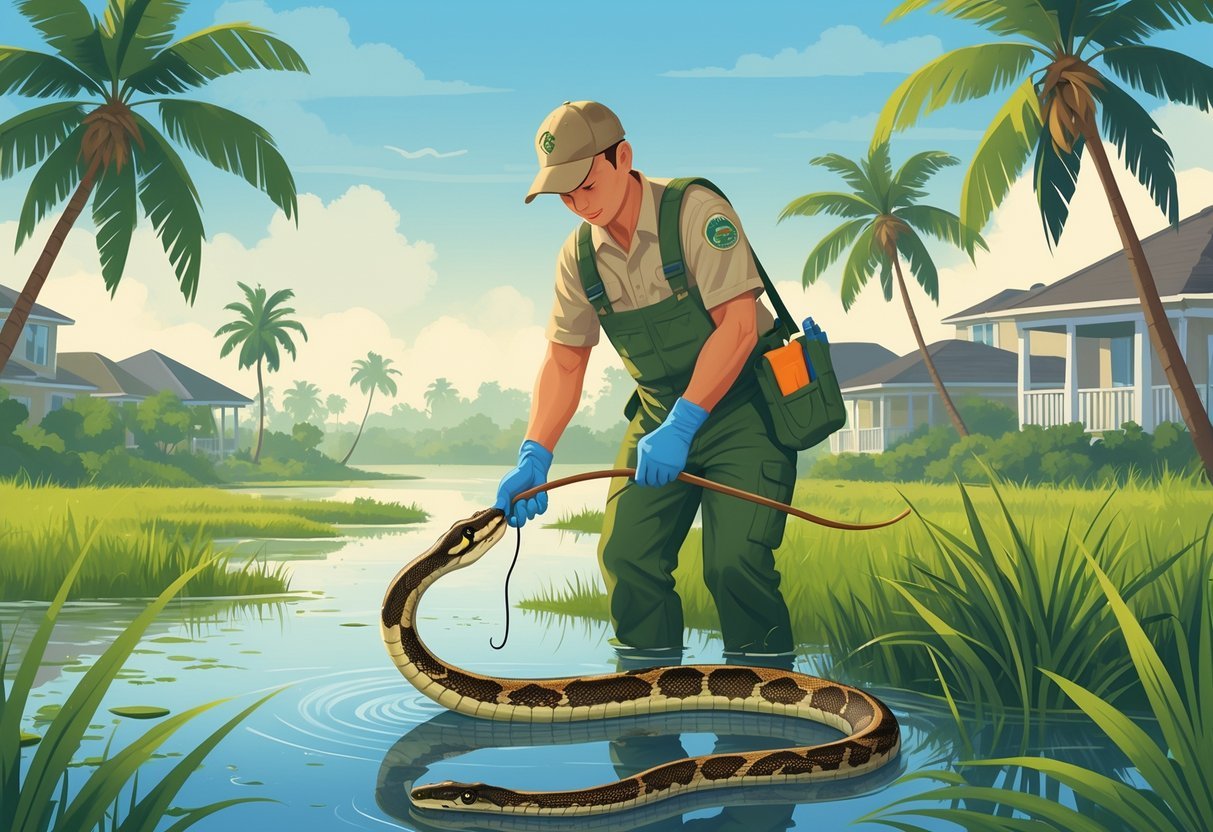
Humane snake relocation involves removing snakes from an area with minimal stress or risk and placing them in an surroundings where they can survive without encountering humans again.
When hiring professionals for this task, you should expect them to be trained handlers who use appropriate equipment while prioritizing the welfare of both humans and animals. They should also adhere to local laws regarding wildlife removal.
Ethical practices in Wildlife Removal
Humane removal prioritizes the safety of both snakes and humans. Professionals use nylon hooks, snake tongs, secure transport containers, and gloves to limit handling time and prevent injury.
It is important to note that only professionals should handle venomous species as improper techniques can be dangerous for both the handler and the animal. Additionally, identifying the species before taking any action is crucial as it determines whether relocation is appropriate or if other measures such as contacting animal control or a licensed wildlife rehabilitator should be taken.
Professionals also minimize disturbance by working quietly, avoiding excessive handling, and releasing snakes at sites with appropriate cover, prey, and distance from homes.
Legal Considerations in South Florida
In Florida, there are specific rules regarding moving wildlife.Some species and actions require permits so it is important to follow state and county regulations. Transporting certain native nuisance wildlife outside the county of capture or releasing them in inappropriate areas can violate laws and public health rules such as rabies alerts.
You should always confirm that the remover is licensed or works with agencies that comply with Florida Fish and Wildlife rules. For venomous snakes specifically, many counties have stricter controls where relocation may only be permitted within a specified area or on private land with owner permission. Before work begins, ask to see credentials and written confirmation of legal compliance.
Common Myths About Relocation
Relocation may not always be the most humane or effective solution when dealing with nuisance wildlife. While you may think moving a snake to “any nearby woods” is harmless enough, released animals can suffer stress which reduces their chances of survival. They may also fail to find food or shelter which can harm local ecosystems.
Another common myth is that all snakes should be removed.Though, many non-venomous snakes play a crucial role in controlling pests and pose low risk when left alone. It is important to consider other options such as exclusion, habitat modification, and education before opting for relocation. Trust professionals who can explain why relocation may or may not be appropriate for your specific situation.
Why Hire Professional Snake Removal Experts?
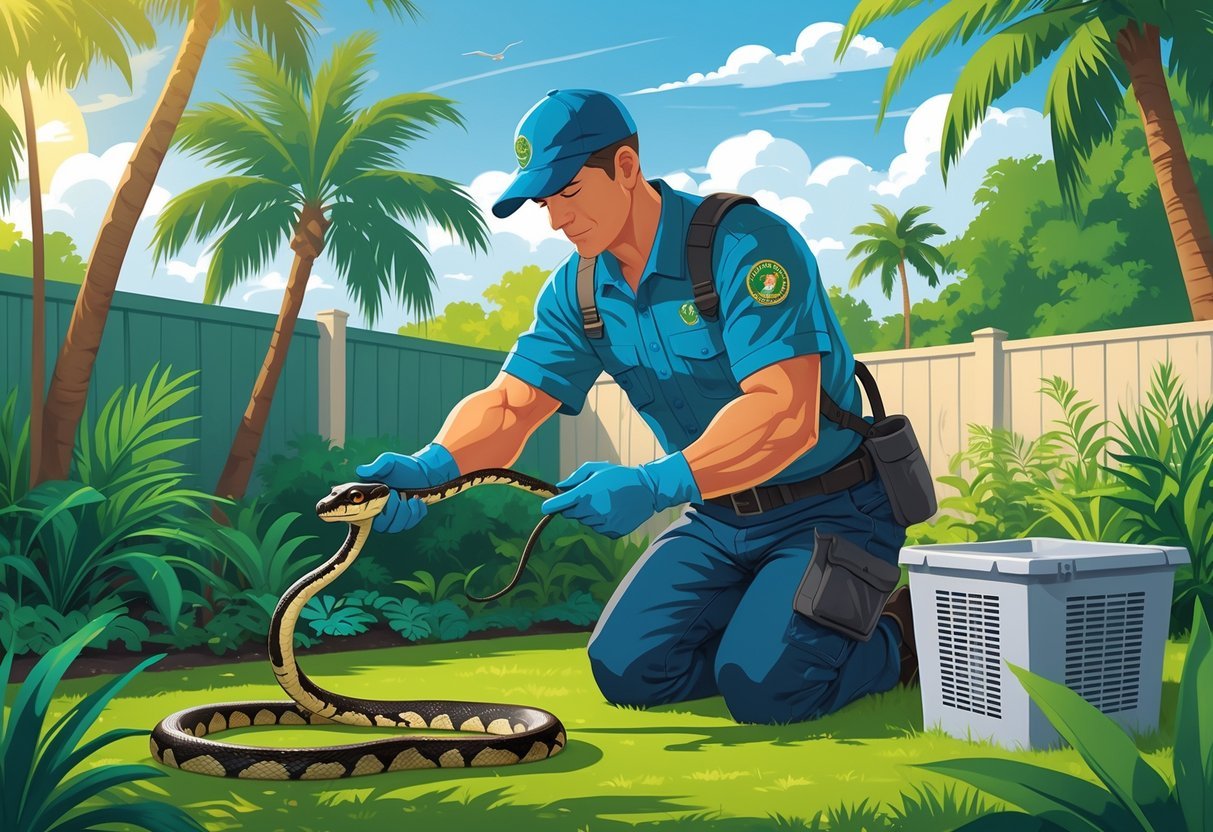
hiring professional teams to handle snake removal ensures the safety of your household and pets. they are trained to accurately identify species, implement exclusion measures to prevent future encounters, and use proper tools while following local regulations.
The Benefits of Expert Handling
Professional snake removal experts can accurately identify the species present on your property which is crucial when dealing with venomous species like cottonmouths or rattlesnakes. They also use specialized capture gear (hooks, tongs, secure transport containers) and personal protective equipment (PPE) to reduce bite risk and stress on the animal.
A licensed snake removal service will also document the removal process and provide targeted prevention measures such as sealing entry points, removing brush piles, and advising on rodent control which reduces the chances of repeated encounters compared to DIY attempts.
Professional services also ensure compliance with local wildlife rules by arranging legal relocations or coordinating with wildlife authorities when necessary.This protects you from fines while promoting ecological responsibility.
The Risks of DIY Snake Removal
Handling snakes yourself increases the chance of getting bitten especially if you misidentify a species. Many non-venomous snakes mimic venomous patterns, making it dangerous to handle them without proper knowledge.
Improper capture or transport can also injure the snake or cause it to escape into hard-to-reach spaces. Using makeshift tools or inadequate containers also raises liability if the snake harms a neighbor, pet, or child.
DIY attempts often miss root attractants such as rodent nests and structural gaps which may result in repeated encounters with snakes and higher long-term costs.It is indeed best to leave this task to professionals who have the necessary skills and equipment.
Safety for People and Snakes
A professional snake removal service prioritizes human safety by securing the area, keeping bystanders and pets away, and using controlled capture techniques. They are also equipped to respond quickly in high-risk situations.
Professionals also minimize harm to snakes by using species-appropriate handling techniques, minimizing handling time, and choosing relocation sites with suitable cover and food sources when relocation is permitted by law. This approach supports local ecosystems while reducing stress on the animal.
experts provide follow-up steps that homeowners can take such as sealing vents, moving firewood away from foundations, and implementing rodent control measures so their property becomes less attractive to snakes while ensuring safety for everyone involved.
the Most Common Snake Species Relocated in South Florida
You will most likely encounter a small set of species in residential areas or semi-wild areas. Each type requires different handling methods as well as legal considerations when it comes to relocation distances based on safety concerns and conservation priorities.
Venomous Snakes: What You Need to Know
The eastern diamondback rattlesnake and timber rattlesnake are commonly found in drier, scrubby, or pine flatwood habitats near homes.These species have potent hemotoxic venom and can be defensive when surprised. It is important to keep children and pets away from these snakes and call a licensed professional for removal.
The eastern diamondback rattlesnake is a large species that may occasionally move into yards with rodent populations. Timber rattlesnakes prefer cooler uplands and rocky edges but are less commonly found in urban neighborhoods.
It is important to note that relocation by untrained individuals increases the risk of getting bitten and is often restricted by state rules. Coral snakes are small, secretive, and have neurotoxic venom which can be confused with non-venomous mimics.Never handle a snake unless you are certain of its identity as state guidelines typically require licensed removal for venomous reptiles.
Non-Venomous species
You will frequently encounter non-venomous snakes such as rat snakes, king snakes, and garter snakes around your home or garden. These species play an important role in controlling rodent populations and can be safely moved using tools such as snake hooks or secure buckets if necessary.
King snakes are especially beneficial as they prey on other snakes including venomous ones which makes them valuable in keeping the population of these dangerous species under control. Rat snakes frequently enough climb into attics seeking rodents while garter snakes are commonly found near water sources.
it is crucial to hire professional snake removal experts when dealing with nuisance wildlife on your property in South Florida. They prioritize the safety of both humans and animals whileHow to Safely and Humanely Remove Snakes from Your Property
Snakes are a common sight in South Florida, and while most of them are harmless, itS important to know how to safely remove them from your property. Whether you’re dealing with venomous or non-venomous snakes, it’s crucial to prioritize safety and humane methods when removing them. In this article, we’ll discuss the best practices for removing snakes from your property while keeping both the snake and people safe.
Excluding Snakes from Structures
The first step in safely removing snakes is preventing them from entering structures in the first place. This can be done by sealing any gaps or cracks larger than a pencil-width with exterior-grade caulk or low-expansion spray foam. It’s also important to install door sweeps and garage threshold seals to close gaps under exterior doors. Regularly inspecting foundations, doors, vents, and utility penetrations can definitely help identify potential entry points for snakes.
Handling Snakes During Relocation
when relocating non-venomous snakes, it’s critically important to use gloves and avoid bare-handed handling. Professionals frequently enough use containment bags or ventilated crates for transport. For water-dwelling and semi-aquatic species like cottonmouths (water moccasins) and various water snakes, aim for habitat with cover, water access, and prey when relocating them.
Live Capture Techniques
If you encounter a snake on your property that needs to be removed,it’s best to use live capture techniques rather than attempting bare-handed grabs. Use a snake hook or long-handled tongs to control the snake from a safe distance before guiding it into a rigid plastic tub with a locking lid for transport.
Minimizing Stress during Transport
It’s crucial to keep handling time as short as possible when transporting captured snakes. Extended transport increases physiological stress which can reduce their chances of survival upon release. It’s important to maintain an appropriate microclimate during transport by shading the container in hot weather and avoiding air conditioning blasts that can cause shock.
Preventing Future snake Encounters
To prevent future snake encounters, it’s important to focus on sealing gaps in and around structures, removing rodent attractants, and using proven physical barriers rather than unproven chemical “repellents.” This includes keeping grass mowed and shrubs trimmed to reduce ground-level cover near buildings. It’s also important to manage rodents by storing birdseed and pet food in sealed containers and removing spilled seed.
Choosing the Right Wildlife Removal Service
If you’re unable to safely remove a snake from your property yourself, it’s best to hire a licensed wildlife removal service. When choosing a company, prioritize safety, experience with local snake species, response time, and clear pricing. Make sure they are trained in identifying Florida snakes so they can use appropriate capture techniques. It’s also important to choose a service that uses humane traps or hand-capture methods whenever possible.
safely removing snakes from your property requires careful planning and execution. By following these guidelines for exclusion, handling during relocation, minimizing stress during transport, preventing future encounters, and choosing the right wildlife removal service; you can ensure both the snake and people stay safe throughout the process. Remember to always prioritize safety when dealing with any type of wildlife on your property.Ensuring Safe and Ethical Wildlife Removal: What to Ask before Hiring
When faced with a snake infestation, it is important to hire a professional wildlife removal service. However, not all companies are created equal. It is crucial to thoroughly vet potential services before making a decision. Here are some key questions to ask and factors to consider when hiring a wildlife removal company.
Insurance and Permits
The first step in the hiring process should be verifying the company’s insurance coverage for both liability and worker’s compensation. This will protect you from any potential damages or accidents that may occur during the removal process.
In addition, make sure to inquire about state permits. These permits ensure that the company is operating legally and has met all necessary requirements for handling wildlife.
Technician Qualifications
It is important to know who will be handling your snake infestation. Ask about technician qualifications such as years of experience and training certificates. This will give you an idea of their level of expertise in dealing with snakes.
Written Estimate
Before agreeing to any services,request a written estimate that breaks down all fees including service charges,travel expenses,and any additional costs for exclusion or repairs. This will help avoid any surprise fees later on.
Response Time
inquire about response time for both non-emergency and emergency calls. It is also important to ask if same-day service or after-hours response is available in case of urgent situations.
Handling Venomous Snakes
If you have venomous snakes on your property, it is crucial to know how the company handles these specific situations. do they subcontract? Do they use specialized equipment? Or do they refuse certain calls altogether? Make sure their methods align with your preferences for humane treatment of animals.Documentation After Job Completion
Insist on receiving a written report after the job has been completed which documents species identified,capture method used,and relocation details if applicable. If you prefer humane relocation rather than extermination, make sure to ask where the snake will be released and if the company uses authorized release sites.
Reputation and Customer Reviews
Do your research and check online reviews on multiple platforms. Look for specific details about timely response, professionalism, and humane handling. Companies with consistent praise for accurate species identification, careful capture, and clear dialog are more reliable than those with generic five-star ratings.
Along with online reviews,reach out to local wildlife rehabilitators or extension offices for referrals. They often have firsthand knowledge of which wildlife removal services work ethically with native species.
Red Flags
Be wary of any red flags when researching potential companies. These may include repeated complaints about surprise fees,refusal to provide proof of licensing,or an emphasis on extermination rather than relocation.
References
ask the company for references that you can contact to confirm their performance on similar snake calls. This will give you a better understanding of their track record in dealing with snake infestations.
hiring a professional wildlife removal service is crucial in ensuring safe and ethical handling of snakes on your property. By asking the right questions and doing thorough research beforehand, you can ensure that you are hiring a reputable company that aligns with your values and priorities.


This is so important for both the snakes and the community – thank you for promoting safe and ethical practices!