
Miami is no stranger to the presence of snakes, and it’s vital to know how to handle them safely and efficiently. If you come across a snake on your property, the best course of action is to contact a professional Miami snake removal service. These experts can identify the species, remove it humanely, and provide advice on preventing future encounters.
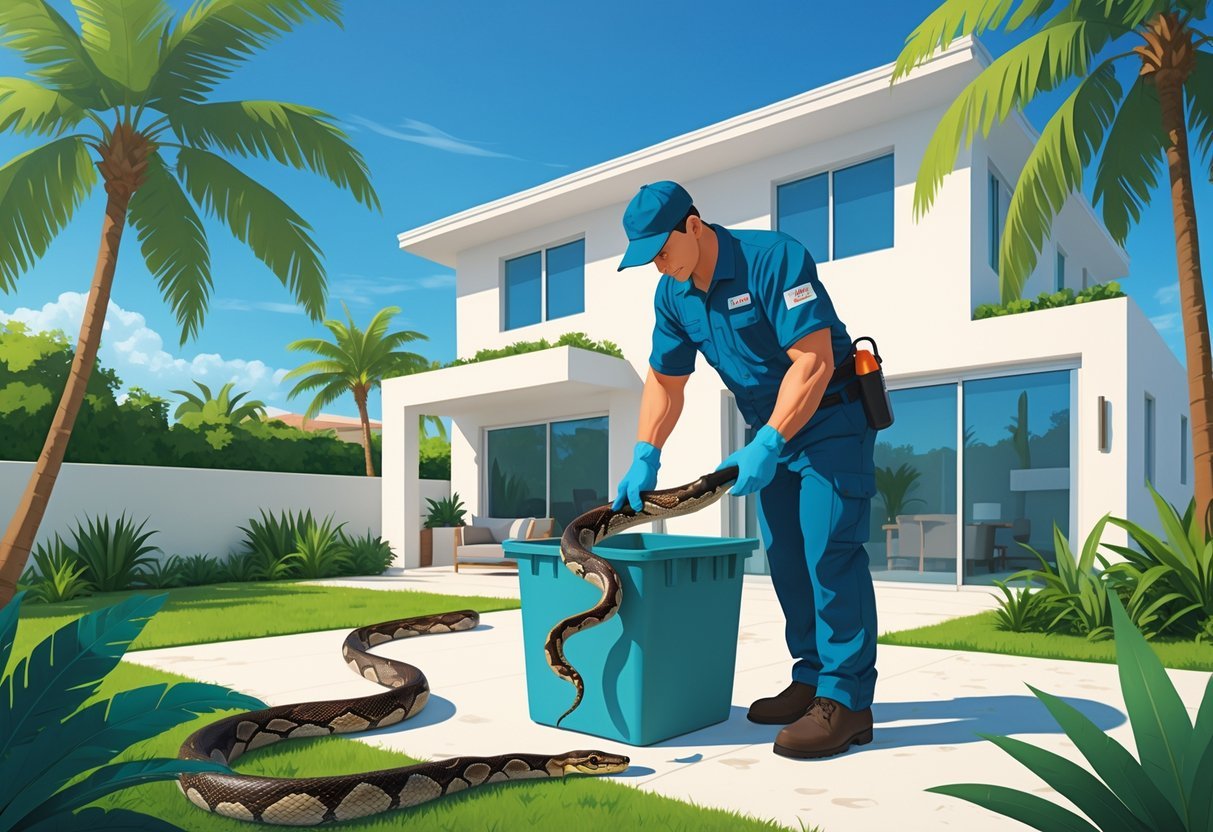
This article will delve into why snakes are commonly found in Miami neighborhoods,how professionals handle both venomous and non-venomous cases,and practical steps you can take around your home to reduce encounters.
The presence of Snakes in Miami
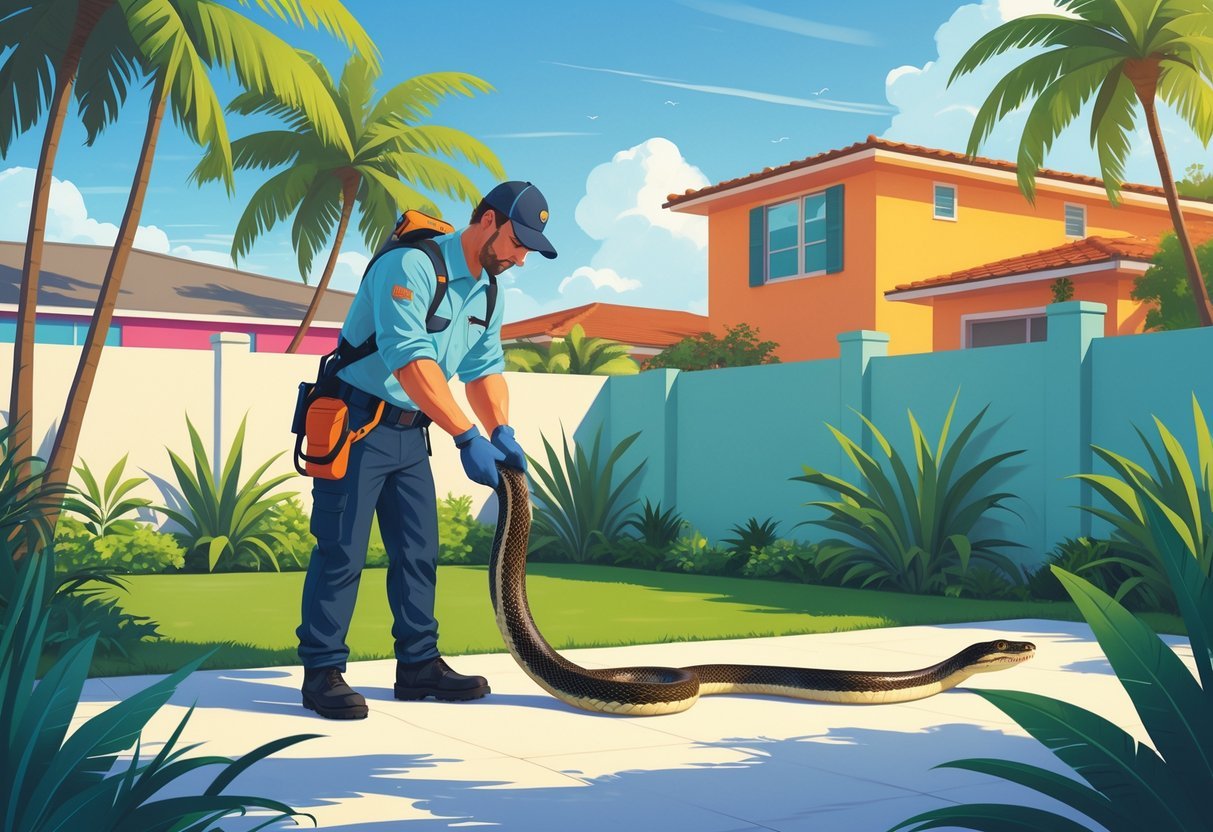
Snakes are prevalent year-round in Miami due to the abundance of food, shelter, and warmth available.while most snakes found are non-venomous species that help control rodent populations, there are also some venomous species that may appear near yards or bodies of water.
common Snake Species Found in miami
The most commonly encountered snakes include black racers,rat snakes,garter snakes,and also various water snakes near canals or ponds. These types of snakes typically range from 1-4 feet long and feed on rodents, frogs,and small birds that inhabit yards and storm drains.
Occasionally, larger constrictors such as boa constrictors or invasive pythons may be found in wild or overgrown areas. While they are less common in residential neighborhoods, there have been reports of them in Miami-Dade.
It’s important to keep an eye out for snakes around ground-level shrubbery, woodpiles, and irrigation ditches as these are preferred locations for them to hunt or hide.
Venomous vs Non-Venomous Snakes
It’s crucial to be able to identify and safely avoid venomous snakes such as eastern diamondback rattlesnakes, cottonmouths (water moccasins), dusky pygmy rattlesnakes, and coral snakes. These types of snakes typically prefer warm and wet areas that are secluded from human activity.
While non-venomous snakes like rat snakes and racers pose little direct danger,they can startle pets or people.They may also indicate a pest problem on your property.
If you come across a snake that you cannot confidently identify, it’s best to treat it as potentially perilous and contact a professional snake removal service rather of attempting to handle it yourself.
The Reasons Behind Snakes Entering Homes and Yards
Snakes ofen enter yards in search of food sources such as rodents,lizards,frogs,and nestling birds. If you store firewood against your house or have dense landscaping near foundations,you’re creating shelter and travel routes for both the snake populationand their prey.
in addition to food sources,some species also look for warm,microclimates that provide protection from predators. Gaps under doors,vets,and crawlspaces offer easy accessand daytime refugefor these creatures.
to reduce the likelihood of snakes visiting your property,it’s important to focus on integrated snake control. This includes removing food sources, clearing debris, sealing entry points,and considering professional inspection and removal services if sightings persist.
Professional snake Removal Services in Miami

When you hire a licensed snake removal service in Miami,you can expect trained technicians with proper equipment and local species knowledge. These professionals handle both venomous and non-venomous snakes,offer emergency response,and provide advice on prevention to keep your property safe.
The Benefits of Hiring Snake Removal Experts
Hiring professional snake removal specialists reduces risk for both you and your pets.These experts use calibrated tools such as tongs,hooks,and secure transport cages to remove snakes safely while minimizing the risk of injury or escape.
They are also knowledgeable about the different species commonly found in Miami,such as rattlesnakes,coral snakes,and non-venomous rat snakes.They know how to handle each type correctlyand take appropriate post-removal steps.they may also document sightings for local records if required by county rules.
In addition,you’ll have access to rapid responseand 24/7 emergency services from many Miami snake removal companies.This is especially critically important if a venomous snake appears inside your home or near children.
You can also expect humane capture methodsand evidence of licensing and insurance when working with professionals.
Choosing the Right Snake Removal Company
When looking for a Miami snake removal service,be sure to find one with specific experience in Florida reptiles and a clear list of services offered. this may include on-site removal,relocation,venomous snake response,and prevention inspections. Ask for references and recent work examples from neighborhoods in Miami-Dade.
It’s also critically important to verify certifications,business licenses,and insurance coverage before scheduling service. Find out if the company offers 24/7 emergency calls,warranties or follow-up visits,and if their technicians perform on-site snake identification and provide written reports.
Compare estimates and methods,prioritizing companies that emphasize humaneand non-lethal capture and also exclusion work such as sealing entry points,trimming vegetation,and removing attractants. Get a written scope of work that includes the species being handledand any post-removal prevention steps.
Professional vs DIY Snake Control
Attempting to handle snakes yourself can increase the risk of bites due to incorrect handling or misidentification of species.Professional snake removal reduces liability as technicians have specialized tools,training,and insurance.
In addition,professionals combine capture with targeted prevention measures such as sealing gaps,changing landscaping,and advising on pet safety.DIY methods like traps or pesticides may be ineffectiveor even illegal for protected species found in Miami.
If budget is a concern,you can opt for a licensed snake removal company that offers tiered services,such as emergency capture only or capture plus exclusion and follow-up.This way,you only pay for what you need while maintaining safetyand compliance.
Venomous Snake Removal in Miami
This section will cover how to identify common venomous snakes found in Miami,safety precautions you should take when encountering them,and when it’s necessary to call professional emergency removal services.The focus is on practical actions you can take to reduce the risk of bites to yourself,your family,and your pets.
Identifying Venomous Snakes
The most common venomous species found in Miami include rattlesnakes (rattlers),cottonmouths (water moccasins),and certain pit vipers. These types of snakes typically have a triangular head,elliptical pupils,and a distinct heat-sensing pit between the eye and nostril on each side-these are typical viper features.
While color patterns may vary,it’s important not to rely solely on color when identifying a snake.Pay attention to body shape and head profile as well.Rattlesnakes often give an audible warning,but young rattlers may not rattle reliably.
Cottonmouths are semi-aquatic,so if you see a heavy-bodied snake near canals,ponds,or marshy areas,it’s best to exercise caution.If you’re unsure about the type of snake you’ve encountered,keep at least 10-15 feet away and avoid any attempts to handle or corner it.
safety Precautions for Venomous Snakes
If you come across a venomous snake,the first thing you should do is move away slowly and keep children and pets inside.Do not try to capture,kill,or prod the snake as these actions increase the risk of being bitten.
To secure your area,closing doorsand blocking access with furniture or other items that could hide snakes is recommended.wear thick bootsand long pants when walking near brush or water.Leather boots provide better protection than sneakers
How to Safely Remove Snakes from Your Property in Miami
Snakes are a common sight in Miami, and while most of them are harmless, it’s important to know how to safely remove them from your property. In this article, we’ll discuss the different types of snakes found in Miami, humane trapping and relocation methods, and steps you can take to prevent snakes from returning.We’ll also cover what to do if you find a snake inside your home or yard.
The Most Common Non-Venomous Snakes in Miami
Miami is home to several non-venomous snake species such as the eastern indigo, rat snakes, and green water snakes. These snakes typically feed on rodents, amphibians, and insects which is why they are often found in yards with abundant prey.
If you come across a snake on your property, it’s critically important to identify its species before approaching it. Rat snakes are usually mottled gray or brown with blotches and can climb structures; green water snakes are darker with subtle banding and tend to stay near canals or retention ponds. Eastern indigos are large and uniformly dark but tend to avoid people.
If you confirm that the snake is non-venomous and it’s accessible for removal, it’s best to call a trained technician or use approved equipment yourself for safe removal.
Humane Trapping and Relocation Methods
Humane trapping involves using live-capture traps or funnel traps that do not harm the animal. Professionals will place these traps along active travel routes such as under decks or along fence lines where they check them daily until the snake is captured.
Once captured, technicians will identify the species of snake before following local wildlife rules for relocation distance and release habitat. Relocation sites typically include natural preserves or undeveloped areas with water and cover, not random residential neighborhoods.
If you decide to hire a removal service, make sure they use live traps, document the species of snake, and follow state regulations. Avoid using DIY glue or lethal traps as they can cause suffering and might potentially be illegal.When handling snakes,always use gloves,snake hooks,and secure containers to protect both yourself and the animal.
Preventing Recurring Snake issues
the best way to prevent snakes from returning is by reducing attractants on your property. This includes sealing gaps under doors and around foundations, removing rodent nests, and storing firewood and debris away from house perimeters.
You can also install simple barriers such as mesh screens over vents, door sweeps, and hardware cloth around crawl space openings. For persistent entry points, it’s best to hire a pest control or wildlife professional who can perform a structural exclusion inspection and seal any openings larger than 1/4 inch.
Maintaining habitat modifications near water features is also important by trimming shoreline vegetation and keeping pool areas free of cover.Combine these actions with regular rodent control measures for the best results.
What to Do If You Find a Snake Inside Your Home
If you find a snake inside your home in Miami, it’s important to keep everyone including pets out of that room while containing the snake by closing doors. Do not attempt to handle or kill the snake as many non-venomous species will bite when threatened while venomous species pose serious risk.
Call a professional snake removal service that is licensed or experienced with Miami-area species; they will identify the type of snake before safely capturing it for relocation. While waiting for their arrival, remove pets and children from the area but monitor the snake from a safe distance.
After removal, inspect your home for any entry points and seal them with hardware cloth, door sweeps, caulk, or foam sealant. also, check for signs of rodents or bird nests that may be attracting snakes and arrange for pest control services to address these issues.
Preventing Snakes in Your Yard or Garden
If you see a snake in your yard or garden, it’s best to keep a safe distance and let it move on if it’s not close to people or pets. Do not try to chase or spray the snake as this can increase risk and stress for both you and the animal.
If the snake repeatedly visits your property, document sightings (photos, location, time) before calling a professional removal service. They will assess the situation and remove any venomous individuals while also helping you remove cover and food sources that may be attracting snakes.
To reduce yard visits from snakes, make sure to mow your grass regularly, clear brush piles and leaf litter, store firewood on racks at least 18 inches off the ground away from walls. You should also keep pond edges clear of vegetation and steepen banks where possible. Controlling rodents with traps or professional baiting is also an effective way to prevent snakes from returning.
Snake-Proofing sheds, Decks,and Garages
Treat sheds,g arages,and decks as extensions of your home by sealing gaps and creating physical barriers. This includes fitting door sweepsand threshold seals as well as installing 1/4-1/2 inch hardware cloth over ventsand crawlspace openings while anchoring skirting so snakes cannot push underneath.
You should also inspect these areas seasonally for new entry points such as gaps under exterior doors,torn screens,and roofline openings. Make sure to seal any holes with hardware cloth, door sweeps, caulk, or foam sealant as needed. Additionally, make these spaces unattractive to rodents and birds by storing pet food in sealed metal containers and keeping garbage cans closed.
If you use boxes for storage, keep them on shelving rather than the floor and elevate appliances or lawn equipment. If you suspect a persistent snake issue under a deck or inside a shed, it’s best to hire professionals who offer trapping and exclusion services. They can place and monitor traps lawfully while identifying the species of snake before recommending targeted repairs or habitat changes to prevent future intrusions.
Miami Snake Control Solutions and Prevention tips
To keep snakes off your property in Miami,it’s important to reduce attractants such as sealing entry pointsand removing food sources while choosing proven removal methods. This includes focusing on yard maintenance,habitat modification,and safe control options so you can lower encountersand respond correctly if a snake appears.
best Practices for Preventing Snakes
Keep your yard trimmed by mowing regularly, removing dense groundcover,and pruning shrubs to eliminate cool shaded hiding spots that snakes prefer. Store firewoodand building materials at least 18 inches off the ground away from walls to remove shelter.
Remove food sources by securing trash in lidded bins, controlling rodent populations with trapsor professional baiting,and avoiding leaving pet food outdoors overnight.
Check that screen doors,windowscreens,and vents fit tightly.seal gaps larger than 1/4 inch with metal meshor caulk.Use physical barriers such as installing snake-proof fencing of 1/4-inch mesh buried 4-6 inches deepand angled outward at 30 degrees.also keep pond edges clear of vegetationand steepen banks where possible.
Inspect foundations,eaves,and crawlspaces seasonally for new entry points.
Snake Control Products and Methods
When it comes to controlling snakes,it’s best to choose exclusion methods first such as door sweeps,foundation mesh,and sealed utility penetrations. For active snakes,use a long-handled snake hook or grabber if you are trained. Never attempt to handle venomous species yourself.
commercial repellents offer mixed resultsand frequently enough require reapplication after rain.Rely on rodent control as an indirect but effective method: fewer rodents means less food for snakes.Live traps capture nonvenomous snakes humanely; make sure to check traps at least daily and relocate according to local ordinances.
If immediate removal is necessary, professional tools include snake tongs, secure transport containers,and personal protective equipment.Avoid using poisonsor indiscriminate traps that harm non-target wildlife,pets,or children.
When to Call for Professional Help
you should call professionals if you encounter a venomous snake or see multiple snakes on your property. It’s also critically important to seek professional help if you find a snake inside your home-especially in areas like kitchens,g arages,and attics where they may pose a greater risk of harm.
In Conclusion
Safely removing snakes from your property in Miami requires knowledge of the different types of species found in the area,humane trapping and relocation methods,and steps you can take to prevent them from returning. By following these tips,you can keep yourself,your family,and your property safe from
When it comes to dealing with snakes in Miami, it’s important to seek the help of professionals who have the necessary experience and expertise. These individuals are well-versed in identifying both native and invasive species, and can safely remove and relocate them.
If you find yourself repeatedly encountering snakes on your property or if structural modifications are needed to prevent their entry, it’s best to hire a licensed wildlife control service. They can provide solutions such as installing exclusion fencing or sealing crawlspaces.
Before hiring a wildlife control service, be sure to inquire about their guaranteed removal policy, 24/7 emergency response availability, and humane handling methods.It’s critically important for these animals to be handled with care and respect.
In the event that someone is bitten by a snake, immediate medical attention should be sought. Do not attempt any home remedies as they can often do more harm than good.
Pet owners should also take precautions when dealing with snakes on their property. Keep pets monitored at all times and consult with professionals for pet-safe exclusion and prevention methods.


Thanks for sharing this helpful guide, definitely will come in handy living in Miami!